RSS

Why Pre-Construction Could Be Your Smartest Investment in 2025

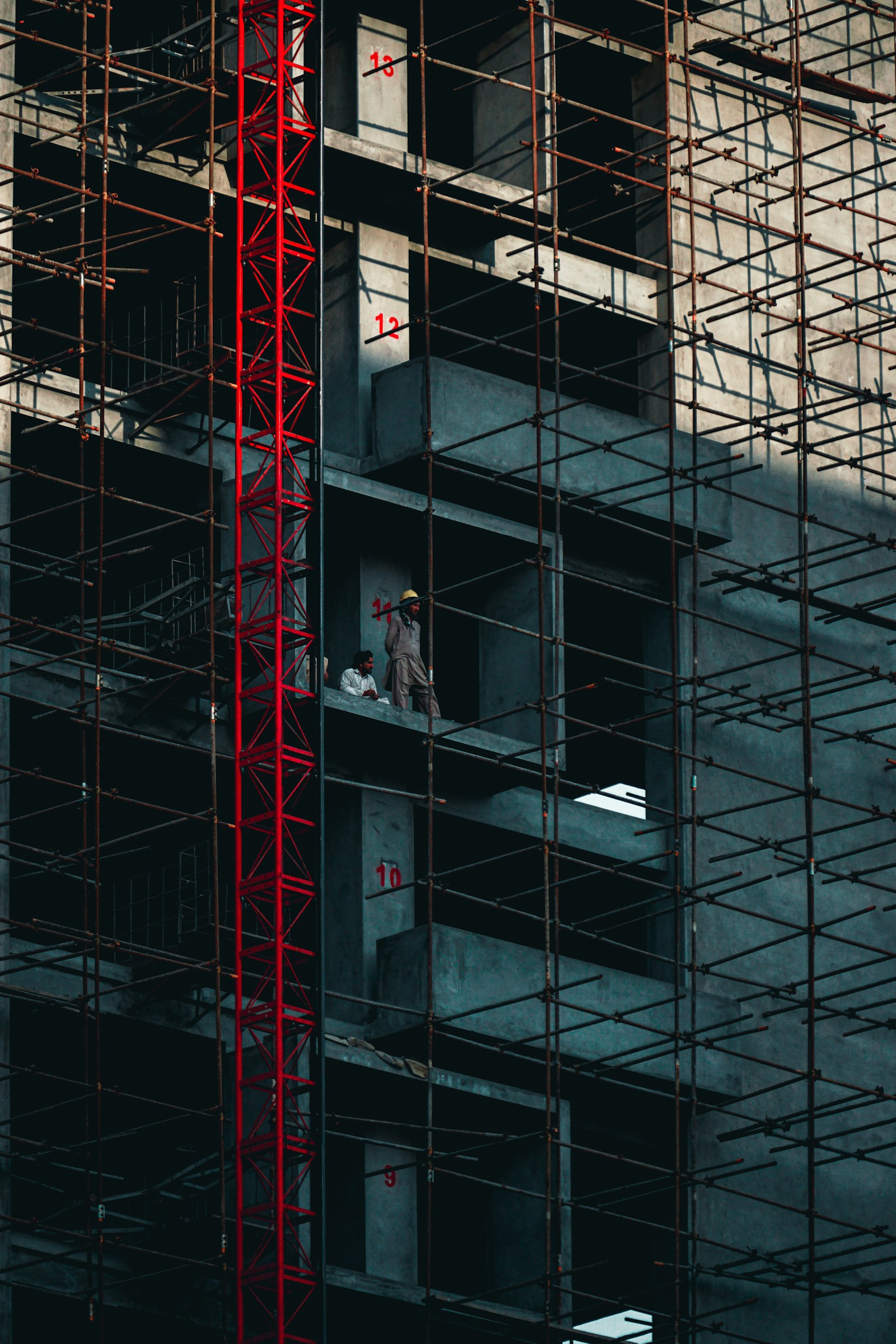
Thinking about getting into real estate in 2025? Pre-construction condos may offer flexibility, customization, and potential upside—but they’re not risk-free. This guide is more human and practical than most, helping you weigh pros and cons like a seasoned strategist.

1. Financial Flexibility & Potential Gains

  • Staggered deposits let you spread the usual 15-20% down payment over months or even years—less upfront strain.

  • You may lock in a lower millennial price; if the market rises, your asset appreciates before you even close.

  • Case in point: Pre-construction condos have yielded over 171% returns in some Toronto scenarios over five years—when timed right.

2. Risks to Be Aware Of

  • Delays or cancellations can leave your deposit tied up—and even though Ontario law and Tarion protections exist, refunds may be slow.

  • Costs often exceed expectations: Watch out for interim occupancy fees, unexpected development charges, and rising maintenance fees once the reserve fund kicks in.

  • Developer reliability matters—poor workmanship and long-term issues have been reported, with limited recourse.

  • Resale path can be rocky: Assignment sales are possible but complex, and with current market softness, flipping may leave investors underwater.

3. What the Market Looks Like for Pre-Construction in 2025

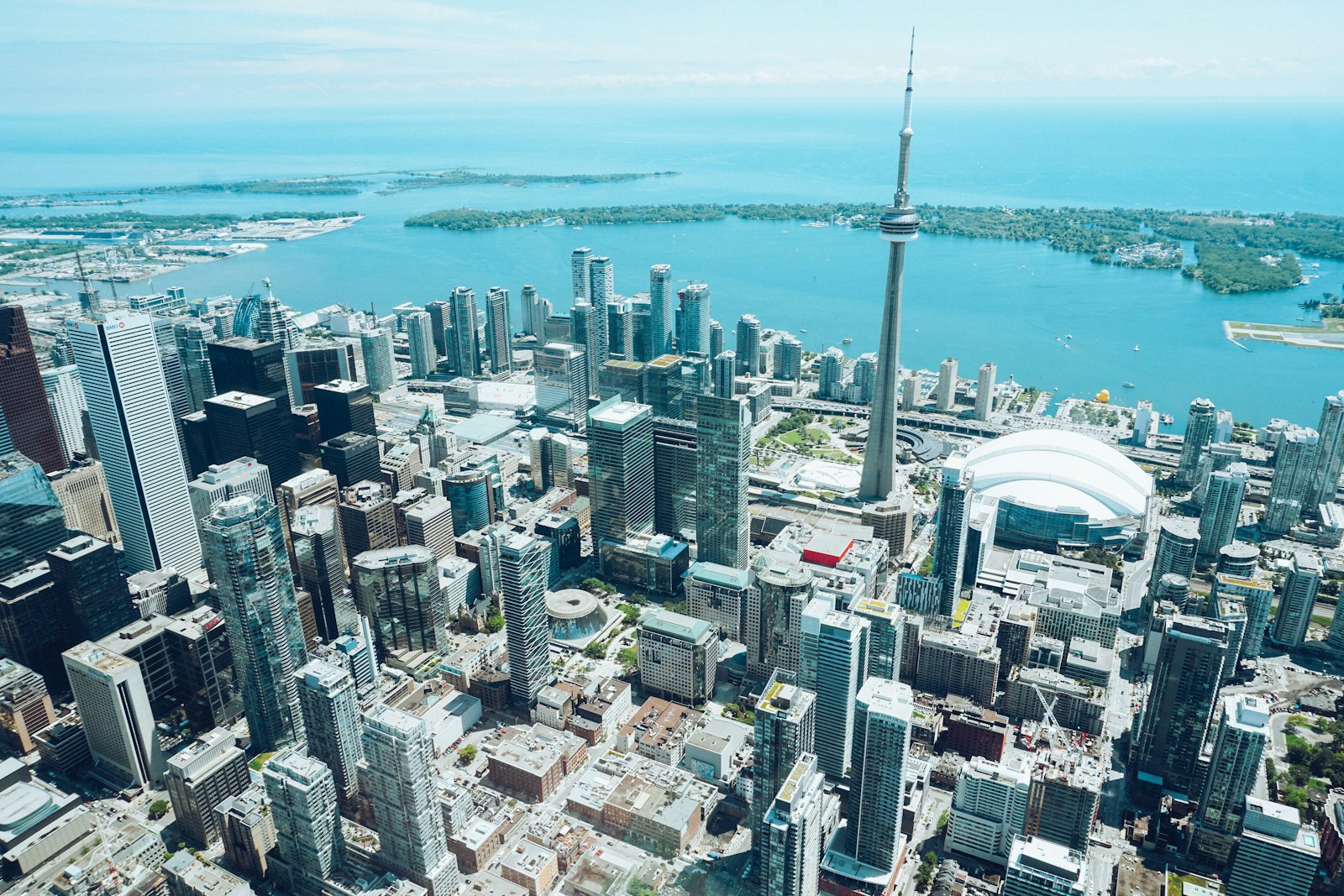
  • The average price for new pre-construction condos in Toronto hovers around C$750,000, or about C$1,320 per square foot.

  • While resale condos are declining (averaging about $682,000, down ~2.6%), pre-construction prices remain stubbornly high.

  • A large supply glut looms: unsold units are at record levels, weighing on prices—TD projects a 15–20% drop from 2023 peak by end of 2025.

  • The resale condo market is equally bruised—April to June sales rose slightly, but prices are still trending downward: Q2 2025 resale average was $683,413, down 6.4%.

4. Timing & Strategy — When Could It Make Sense?

  • If you’re a patient investor with long-term goals (5–10 years), pre-construction may offer greater equity upside—especially in redeveloping or transit-rich areas.

  • But if you're aiming for a place to live soon or rely on cash flow, resale condos may offer more immediate stability and less risk.

  • The current condo market favors buyers—ample inventory, slowdown in investor demand, cheaper resale pricing, and weaker rental demand give you negotiation power.

Final Summary

Pre-construction condos offer alluring flexibility and customization—but they come with serious risks: delays, cost overruns, and possible losses from weak resale timing. In 2025, with a soft market and falling prices, they’re a strategic play only for confident, long-term investors. First-time homebuyers or those seeking safety might lean toward resale.

Google Snippets Q&A

How much does a pre-construction condo cost in Toronto?
On average, it’s approximately C$750,000, or around C$1,320 per square foot.

Are pre-construction condos worth it?
They can be—offering financial flexibility, customization, and potential appreciation. But buyers must weigh these against risks like delays, additional fees, and shifting market conditions.

Is selling pre-construction condos in Canada legal?
Yes—selling via assignment sales is legal but depends on builder policies and may involve fees or contractual hurdles.

Is it a good idea to buy a condo in Toronto now?
For buyers ready to close and live in it, yes—it’s a buyer’s market with falling prices, high inventory, and more negotiating leverage.

Are condo prices dropping in Toronto?
Yes. Condo prices are under downward pressure, with resale averaging C$682,000–$683,000 and declines of ~6% year-over-year; TD projects overall drops up to 20% from 2023 peak by year-end.

Read

Is a Condo the Right First Property for You?

Buying your first home is exciting—and confounding. Condos can feel like an accessible entry point into property ownership, but they come with their own pros, cons, and hidden costs. This guide dives deeper than the top results, giving you clarity, confidence, and the context to decide if condo life makes sense for you.

1. Why a Condo Might Be a Great Starter Home

  • Lower upfront cost compared to single-family homes — often more attainable in major urban markets.

  • Less maintenance—snow removal, landscaping, and repairs are typically handled by the condo corporation.

  • Location perks—many condos are centrally located and offer walkability, transit access, and community amenities. 

  • Negotiation advantage in a buyer’s market—buyers now enjoy more flexibility on price, closing dates, and incentives. 

2. What You Need to Know: Fees, Rules & Lifestyle Fit

  • Condo fees add up, and they factor into your mortgage stress test—be sure to include them in your budget. 

  • Condo boards impose rules—on renovations, pet policies, rentals, and more, which may limit flexibility. 

  • Market dynamics are slow—appreciation often lags behind freeholds, making condos a slower path to equity growth. 

3. Is Now a Smart Time to Buy a Condo in Toronto?

  • Yes—for many buyers, particularly first-timers—because prices are down (by over 5–6%) and supply is high, offering more choice and negotiating power. 

  • Condo listings, inventory, and competition are rising—tilting the balance in buyers' favour. 

  • Several sources confirm today’s market is a buyer’s opportunity, not a seller's advantage. 

4. Are Condo Prices in Toronto Dropping? Here’s the Reality

  • Yes, condo prices have declined: GTA average prices dropped about 5.9% year-over-year as of January 2025. 

  • Months of inventory doubled, signaling slowing demand—6.72 months vs. just 3.56 a year earlier. 

  • Days on Market at a 15-year high—average listing now takes 82 days to sell. 

5. Choosing the Nicest Condo Building: Quality Over Hype

  • Consider standout buildings that blend design, amenities, and location:

    • Four Seasons Hotel & Residences in Yorkville—ultra-luxury with hotel-style services and cachet. 

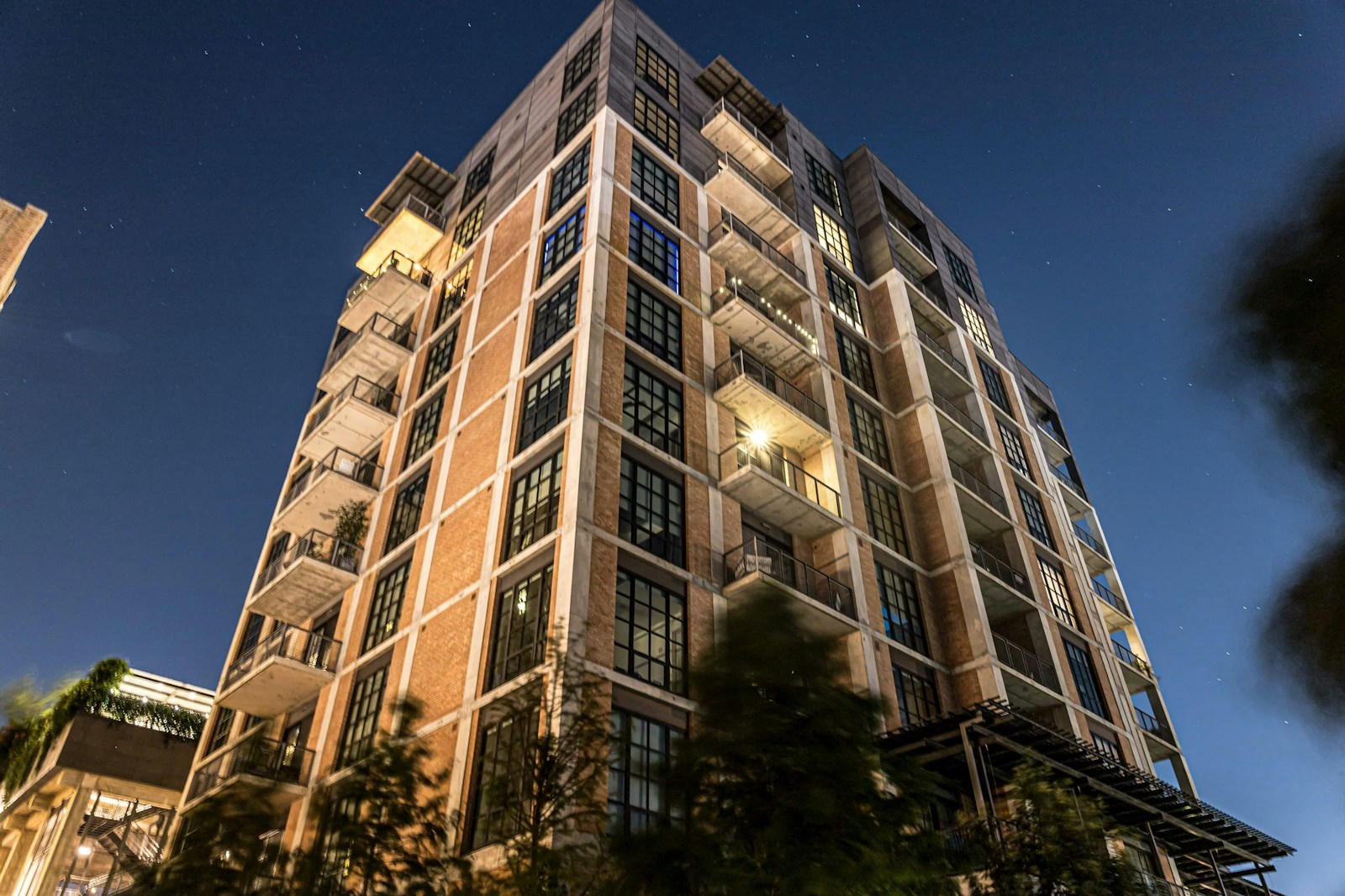
    • Ideal Lofts in Little Italy/Trinity-Bellwoods—a soft-loft, heritage-inspired gem with architectural acclaim. 

    • Ten York in the South Core—a modern landmark high-rise with bold design and skyline views. 

Final Summary

If you're looking for an affordable, low-maintenance, urban-entry into real estate, a condo can work—but only if it aligns with your long-term plans, lifestyle preferences, and financial readiness. With falling prices and rising inventory, now might just be the right moment—but do more than window-shop. Crunch the numbers, weigh the rules and fees, and commit for the long haul.

Facts Q&A

Is it a good idea to buy a condo in Toronto now?
Yes—for qualified buyers seeking accessible entry into homeownership, this is a favorable window. Prices are down (~5–6%) and inventory is high, empowering buyers with choice and leverage. 

Are condo prices dropping in Toronto?
Yes—average GTA condo prices have fallen nearly 6% year-over-year, with longer days on market and increased inventory. 

How much does an average condo cost in Toronto?
As of mid-2024, the average sale price for a condo in Toronto proper was approximately $717,210. 

What is the nicest condo building in Toronto?
Top contenders include:

  • Four Seasons Hotel & Residences Toronto (Yorkville)—high-end amenities and premium services. 

  • Ideal Lofts in Little Italy—architecturally celebrated, boutique soft-loft style. 

  • Ten York in South Core—a striking modern high-rise with urban flair.

Read

The Fastest Way to Spot the Best GTA Listings

In the bustling and competitive Greater Toronto Area (GTA) real estate market, timing is everything. Discovering prime listings before everyone else can feel like a superpower. But with the right tools, strategies, and mindset, you'll consistently get the jump on your dream home.

1. Leverage Niche Real-Estate Platforms

  • Use HomesFound.ca for real-time MLS updates, advanced filtering, and broad GTA coverage.

  • Visit HouseSigma.com for historical sold-price data and market insights—particularly helpful in Toronto and Mississauga.

  • Supplement your search with TorontoMLS.net—a GTA-specific MLS platform offering deep listing detail.

  • Start with HomesFound.ca for breadth, then narrow with HouseSigma or TorontoMLS.net for depth.

2. Use Real-Time Alerts & Multi-Site Monitoring

  • Set up instant alerts across multiple listing platforms to catch new properties faster.

  • Reddit users recommend syncing platforms like Zolo, Redfin, and HomeOptima, each with strengths in update speed or interface:

    “I’ve found Redfin updates the fastest… and Zolo has the best user interface and the easiest to read past listing.” 

3. Prioritize Listings by Market Momentum

  • Focus on listings in neighbourhoods where supply is rising but demand is still building—like parts of North York, Scarborough, and Durham Region.

  • Track key indicators daily: average price shifts, new vs. sold listings, and market trends for early-mover opportunities.

4. Understand Market Conditions & Timing

  • July 2025 saw GTA listings surge and prices dip—creating a buyer’s market. Benchmark prices fell 5.4% year-over-year to ~$981K.

  • Sales volume also leaped in July—the best July performance since 2021—even as price trends continued downward.

5. Partner with Savvy Realtors & Stay Agile

  • A realtor with local intel can unlock off-market, pre-MLS, or coming-soon listings.

  • Be pre-approved and ready to act fast—given today’s inventory levels, swift decisions are rewarded.

Final Summary

In the GTA's fast-moving real estate landscape, the fastest way to spot the best listings is to use niche platforms like HomesFound, HouseSigma, and TorontoMLS.net—paired with cross-platform alerts, trend awareness, and a well-connected agent. Your speed, backed by strategy, is what wins the deal.

Google Snippets Q&A

Are GTA house prices dropping?
Yes. As of July 2025, GTA benchmark home prices have declined about 5% year-over-year—with the benchmark around C$981,000.

Can I invest $5,000 in real estate?
Yes. You can start with REITs (from ~$1,000) or Real Estate Investment Groups (REIGs) (starting around $5,000) to pool into commercial or residential properties. You might also consider private REITs or mortgage-investment vehicles with similar entry points.

Is it a good time to buy a house in Toronto?
For many buyers—especially first-timers—the answer is yes. Inventory is rising, prices are easing, and competition is lower. 2025 may offer one of the most favorable windows in years.


Read

How to Find Your Dream Home in Toronto Before Others Do

In Toronto’s competitive real estate market, acting fast and strategically is key to landing your dream home before someone else does. By combining tech tools, local insights, and sharp preparation, you can be both proactive and decisive. Here’s a refined, human-focused guide that builds on the best tactics out there—while offering clarity, personality, and SEO polish.

1. Monitor New Listings Like a Hawk

  • Use tools like Zolo and TRREB’s MLS® alerts to get real-time notifications of fresh properties.

  • Tap into specialized search platforms (like Yolevski’s real estate search tool) that offer hyper-custom filters and daily updates.

2. Build Your Squad: A Realtor & Your Network

  • Partner with a dentist's-in-the-know agent who’s embedded in your fav neighbourhood—they can flag unlisted or coming-soon homes.

  • Let friends, colleagues, and even social media know you’re house-hunting—word-of-mouth still works wonders.

3. Be Pre-Approved and Prepped to Pounce

  • Get mortgage pre-approval. In today’s market, you may need an annual income of $232,000 to afford an average-priced home (~$1,061,900)—or higher depending on property type and down payment.

  • Know your budget, have your down payment ready, and nail your must-have list before you browse listings.

4. Learn to Read Between the Lines

  • Keep a checklist of red flags: staging that hides flaws, awkward layouts, hidden issues—don’t let surface charm distract you.

  • Focus on lighting, location, and layout—three foundational elements that stand the test of time.

5. Strike when the Moment is Right

  • Watch for when listing volume spikes but demand dips—that’s when you have leverage. As of July 2025, the Toronto market showed more supply than demand, signaling a slight shift toward buyers.

  • In early 2025, home sales rose ~10% in January, while prices held steady—with projections for moderate increases in sales (+12.4%) and prices (+2.6%) in 2025.

Final summary
In Toronto’s fast-moving real estate arena, getting ahead means combining tech-enabled alerts, strong realtor connections, financial readiness, attention to home fundamentals, and timing your move when supply lines shift in your favour. Armed with this multi-pronged approach, you’re not just seeing homes sooner—you’re making smart, confident moves to secure the one that’s meant for you.

Where is the best place to buy a house in Toronto?
Great neighbourhoods frequently cited include Riverdale (family-friendly charm), Rosedale–Moore Park (heritage elegance), and Distillery District (artsy loft vibes). The "best place" depends on your lifestyle priorities—commute, schools, character, or resale potential.

What salary do you need to buy a home in Toronto?
To afford a detached home—based on average prices around $1.36 million—you’d need an annual household income of approximately $269,000. If you're targeting condos ($683K), you’d need closer to $137,000. Another source estimates around $232,000 for the average-priced home ($1.06M).

What is the average price of a house in Toronto?
As of June 2025, the average resale home price sat around $995,100, down ~5.5% year-over-year. Specifically, single-family homes averaged about $1,216,000, townhouses $739,500, and condos $585,100. The median detached home price in Q2 was $1,225,000.

What is the housing market forecast for Toronto in 2025?
Listings have grown, tilting the market slightly toward buyers. Prices are expected to fall modestly—CMHC forecasts a ~2% dip in 2025, especially in Ontario and BC. TRREB expects prices to rise by ~2.6%, while home sales may grow by ~12.4% in 2025. RBC and other analysts foresee declines in H2 2025 as well.

What is the cheapest place to live in Canada?
Based on recent data, some of the most affordable cities include:

  • Thunder Bay, ON, Saint John, NB, and Red Deer, AB Forbes.

  • Other extremely low-cost towns: Thetford Mines, Quebec (avg home $299K), Edmundston, NB ($234K), Rivière-du-Loup, QC ($277K), and Tracadie, NB ($173K)

Read
This website may only be used by consumers that have a bona fide interest in the purchase, sale, or lease of real estate of the type being offered via the website. The data relating to real estate on this website comes in part from the MLS® Reciprocity program of the PropTx MLS®. The data is deemed reliable but is not guaranteed to be accurate.