RSS

Toronto’s Most Searched Condos in 2025: Union Station, Waterfront Living, and Downtown Hotspots

Toronto’s condo market continues to shift as buyers and renters look for neighbourhoods that offer convenience, transit access, and long-term value. In 2025, the top searches across Canada focus heavily on condos near Union Station, waterfront condos, and Toronto downtown condos — three areas where demand keeps increasing.

These locations combine lifestyle, connectivity, and strong market performance, which is why they lead Canadian real estate searches today.


Why Condos Near Union Station Are Dominating Searches

People want to live closer to where they work and commute. This is driving national interest in condos near Union Station Toronto, especially for buyers who need GO Transit, TTC subway lines, VIA Rail, UP Express, and the PATH.

Living near Union Station offers:

  • Zero-stress commutes

  • Direct indoor access to offices and shopping

  • Fast connections to the Toronto waterfront

  • High rental demand from professionals

Buildings along York Street, Bremner Boulevard, Harbour Street, and Front Street continue to be top performers. These units consistently attract multiple tenant profiles — corporate rentals, young professionals, and long-term residents — making them strong for resale and investment.


Toronto Waterfront Condos: The Lifestyle Buyers Want Now

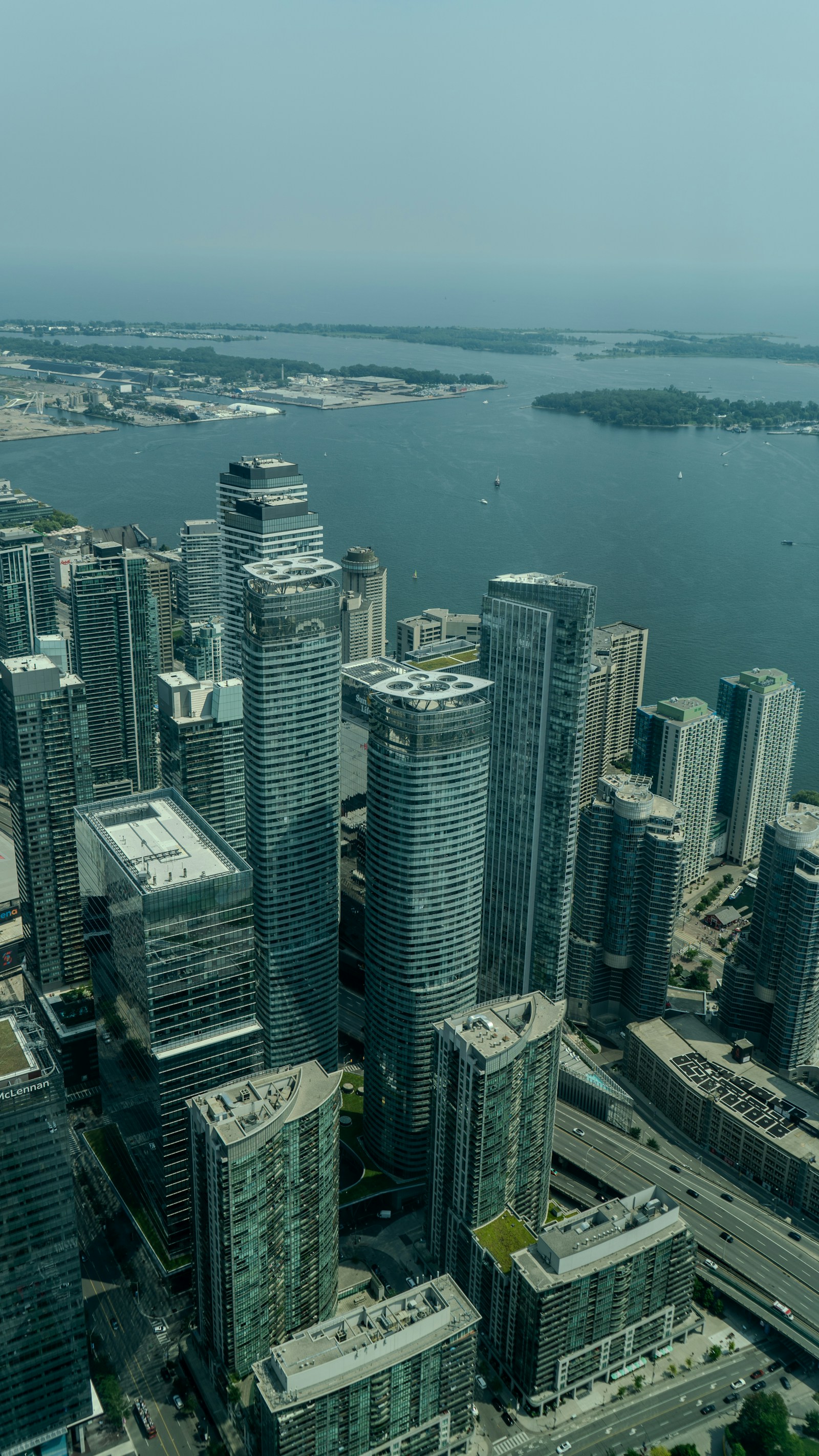
More Canadians are prioritizing outdoor access, fresh air, green space, and lake views. This shift has boosted interest in waterfront condos across Toronto’s Harbourfront and East Bayfront neighbourhoods.

People searching for waterfront condos for sale today want:

  • Direct lake views

  • Scenic walking and cycling routes

  • Modern glass towers

  • Larger windows and balconies

  • Quick access to Union Station and downtown

Renters searching for waterfront condos for lease value the calm atmosphere, local parks, and convenience of being close to downtown without the noise and congestion.

The waterfront remains one of Toronto’s strongest long-term markets because supply is limited — there is only so much lakefront land.


Downtown Toronto Condos: Always In Demand

The core of the city remains Canada’s most active condo market. Searches for Toronto downtown condos for sale and Toronto downtown condos for lease remain high among students, professionals, investors, and newcomers.

Downtown draws people who want:

  • Access to major office towers

  • Walkability to restaurants, entertainment, and sports arenas

  • Fast transit connections

  • A mix of new builds and established buildings

  • A lifestyle that doesn’t require a car

These factors create consistent rental demand, making downtown Toronto one of the safest long-term investment zones in the country.


FAQs

1. Are condos near Union Station worth the premium?

Yes. The combination of transit, PATH access, and walkability keeps demand — and value — consistently high.

2. Are Toronto waterfront condos a good investment?

Waterfront units perform well due to limited supply, strong lifestyle appeal, and long-term rental demand.

3. Do downtown Toronto condos rent quickly?

Units near Union Station, Harbourfront, and the Entertainment District are among the fastest-leasing condos in the country.

4. Is the waterfront quieter than central downtown?

Yes. The waterfront offers parks, open space, and a calmer environment compared to areas around King, Bay, and University.

5. Is 2025 a good year to buy in downtown Toronto?

Yes. Downtown remains one of Canada’s most resilient markets, with strong appreciation and reliable rental performance.

Read

The Complete Guide to Toronto Downtown Condos: Waterfront Living vs Financial District Living

Toronto downtown continues to lead the city’s condo market for buyers, renters, and investors. With unmatched walkability, transit access, and constant demand, the core remains one of the strongest real estate zones in Canada. Two areas consistently stand out: the waterfront condos along Queens Quay and the Financial District condos near Bay and King. Each offers a different lifestyle but both deliver long-term value.

This guide breaks down both areas to help you choose the right fit, whether you’re buying, investing, or relocating into Toronto’s urban core.


Why Toronto Downtown Condos Stay in High Demand

Downtown Toronto keeps demand high because everything is close: transit, restaurants, cafés, the PATH network, Harbourfront parks, business towers, and schools. Young professionals, newcomers, and students all look for housing here, which keeps rental activity strong and supports steady price growth across the core.


Waterfront Condos: Toronto’s Lakefront Lifestyle

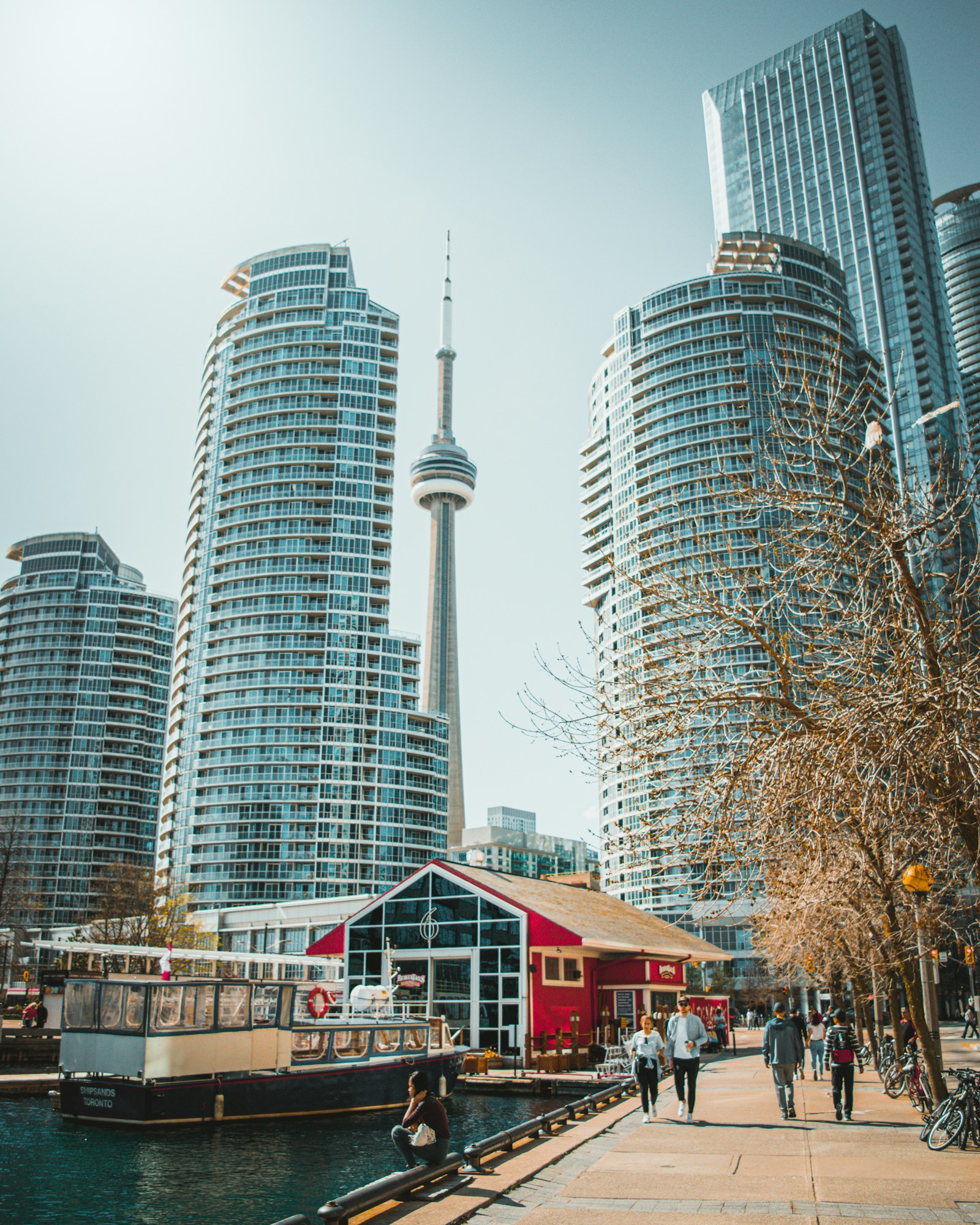
The waterfront offers a calm, scenic lifestyle. Many waterfront condos feature lake views, glass towers, bright layouts, and direct access to lakeside trails. You stay close to nature without sacrificing transit or convenience, thanks to the Queens Quay streetcar and nearby amenities.

This area appeals to buyers who want a peaceful urban setting with great walkability.


Financial District Condos: Convenience Without Compromise

Financial District condos sit in the heart of Toronto’s business core. Residents enjoy the fastest walk-to-work commute in the city, with direct PATH access, subway lines, restaurants, and offices all within minutes. These buildings attract high-quality professional tenants, making them strong rental performers.

This neighbourhood is ideal for buyers who prioritize convenience and market stability.


Toronto Downtown vs Waterfront vs Financial District

Choosing the right area depends on lifestyle and goals.

The waterfront is perfect if you want a quiet, scenic environment with parks and views.
The Financial District suits buyers who want maximum convenience, transit access, and steady rental demand.
Central Toronto downtown offers a mix of entertainment, dining, and walkability.

All three areas carry strong long-term demand and healthy investment potential.


Why Investors Focus on Toronto Downtown

Investors choose the downtown market for its low vacancy, strong rental prices, and reliable demand from professionals. Many downtown buildings hold value through stability, convenience, and access to amenities. Whether it’s Harbourfront, Bay Street, or Queens Quay, downtown condos continue to outperform many other neighbourhoods.


Conclusion

Toronto downtown offers some of the strongest real estate choices in the city. Whether you want the calm of waterfront condos or the speed of Financial District condos, both neighbourhoods deliver modern living, strong rental demand, and long-term value.


FAQs

1. Are waterfront condos more expensive than Financial District condos?

Prices depend on building, view, and layout. Lake views often carry a premium, while Financial District units offer strong rental performance due to location.

2. Which area is better for investment?

Both perform well. The waterfront offers lifestyle appeal and limited lakefront supply. The Financial District attracts corporate renters and keeps vacancy low.

3. Are Toronto downtown condos good for first-time buyers?

Yes. Downtown condos offer walkability, stable demand, and strong resale potential, making them a solid choice for first-time buyers who want long-term value.

4. Do downtown condos have high maintenance fees?

Fees vary by building. Towers with large amenities may have higher costs, while efficient buildings with fewer facilities often keep fees lower.

5. Is the waterfront quieter than the Financial District?

Generally, yes. Waterfront neighbourhoods offer more green space and a slower pace, while the Financial District is busier due to office towers and transit hubs.

Read

Toronto Downtown Living: Exploring Waterfront Condos and Financial District Condos

Toronto downtown remains one of the most desirable places to live in the city. From the lakefront to the heart of the business core, buyers and investors look here for convenience, transit access, and steady long-term value. Two areas consistently stand out: the waterfront condos along Queens Quay and the Financial District condos surrounded by office towers, cafes, and transit hubs. Each offers a different lifestyle, but both are strong choices for anyone who wants to experience the best of Toronto downtown living.


Living in Toronto Downtown

Downtown living appeals to people who want everything close by. Restaurants, TTC lines, fitness studios, coffee shops, nightlife, and daily essentials sit within minutes of most condo buildings. Whether you work in the core or simply enjoy walkable neighbourhoods, Toronto downtown gives you immediate access to daily conveniences and a strong urban lifestyle.

This demand has kept downtown condos competitive year after year, making the area a reliable choice for both homeowners and investors.


Waterfront Condos: Scenic, Modern, and Connected

Toronto’s waterfront has transformed into one of the city’s most attractive residential zones. Living by the lake gives you access to scenic walking trails, relaxing green spaces, and a calmer pace compared to the dense centre of downtown. Many waterfront condos offer bright layouts, modern amenities, and lake views that add long-term lifestyle value.

You’re still steps from transit, with the Queens Quay streetcar connecting directly into the core. It’s an ideal choice for people who want a mix of nature, city living, and modern condo design.


Financial District Condos: The Ultimate Urban Convenience

While the waterfront offers calm, the Financial District condos offer efficiency. This area is built for professionals who want to walk to work, access the PATH network, and enjoy unmatched transit connectivity. Living here means you can reach offices, restaurants, banks, gyms, and transit lines in minutes — sometimes without stepping outdoors at all.

Financial District condos are also rental favourites. Young professionals often target this area for its convenience, which helps units here maintain strong rental performance and solid resale value.


Choosing the Right Area for Your Lifestyle

If you’re deciding between the two, think about what matters most to you.

If you value views, outdoor space, and a calmer everyday routine, the waterfront delivers a balanced lifestyle with easy access to parks and the lake.

If you want the shortest commute possible, the fastest access to transit, and a location that always stays in demand with renters, the Financial District stands out as the more practical option.

Both are strong choices within Toronto downtown, and both offer long-term stability for buyers and investors.


Conclusion

Whether you’re drawn to the scenic appeal of waterfront condos or the unmatched convenience of Financial District condos, Toronto downtown offers some of the strongest real estate opportunities in the city. These neighbourhoods continue to attract steady demand, making them ideal for homeowners and investors who want long-term value and a vibrant urban lifestyle.


FAQs

1. Are waterfront condos more expensive than Financial District condos?

Prices vary by building, view, and layout. Waterfront units with lake views tend to command a premium, while Financial District condos often gain value through convenience and rental demand.

2. Which area has stronger rental demand?

Both perform well, but Financial District condos usually attract more corporate and long-term professional renters due to proximity to offices and the PATH network.

3. Do waterfront condos have higher maintenance fees?

Fees vary by building. Larger amenity spaces and premium views can influence overall costs.

4. Is the waterfront better for first-time buyers?

First-time buyers often prefer the waterfront for its lifestyle appeal and slightly calmer environment, while investors lean toward the Financial District for stronger rental returns.

5. Which area appreciates better over time?

Both have strong track records. Waterfront condos benefit from limited lakefront land, while Financial District condos benefit from being in the economic core of Toronto.

Read

How Family Support Can Help You Buy Your First Home

With rising prices and stricter mortgage rules, many first-time buyers in Canada rely on help from family. If you’re exploring buying a home with family support, the right approach can make ownership easier, faster, and more affordable. Here are the most common ways families help — and what you should know before you start.


1. Gifted Down Payment

One of the fastest ways family can help is through a down payment gift.
In Canada, a gifted down payment:

  • Comes from an immediate family member

  • Must be documented with a gift letter

  • Does not require repayment

A larger down payment helps you qualify more easily and lowers your monthly mortgage costs.


2. Joint Ownership

Some buyers add a parent or family member to the title.
This can help you:

  • Qualify for a larger mortgage

  • Improve your credit profile

  • Reduce financial pressure

But it requires clear discussions about ownership, roles, and long-term plans.


3. Co-signing a Mortgage

A family member can co-sign if your income or credit is not strong enough to qualify alone.
A co-signer helps lenders feel confident approving the loan.
It’s a simple way to increase your buying power — but the co-signer is also responsible if payments are missed.


4. Family Loan

Instead of borrowing from a bank, some families arrange private loans.
This option can offer:

  • Lower interest

  • Flexible repayment terms

  • Easier qualification

All agreements should be written clearly to avoid confusion later.


5. Using the Home Buyers’ Plan (HBP)

Family can help you maximize government programs.
The Home Buyers’ Plan lets you withdraw up to $60,000 from your RRSP (per person) to buy your first home.
Combined with family support, this makes ownership more reachable.


6. Help With Closing Costs

Closing costs add up:

  • Land transfer tax

  • Legal fees

  • Inspections

  • Adjustments

Family support covering these costs helps you keep more funds for your down payment or future repairs.


7. Practical Support After Closing

Family can also help beyond the transaction:

  • Moving support

  • Minor renovations

  • Furnishings

  • Temporary financial cushioning

This practical help makes the first year of ownership smoother and more affordable.


Conclusion

Buying a home with family support is becoming more common across Toronto and the GTA. Whether the help comes through a down payment gift, co-signing, joint ownership, or covering closing costs, family support can bridge the gap between renting and owning.
With clear communication and the right plan, you can move into your first home sooner and with more confidence.


FAQs

1. Do lenders accept gifted down payments in Canada?

Yes. Most lenders allow gifted down payments from immediate family members. A gift letter is required.

2. Does a co-signer need strong credit?

Yes. A co-signer must show good income, stable employment, and strong credit to support the application.

3. Can family help without being added to the mortgage?

Yes. They can give a gift, loan funds, or cover closing costs without being on title or the mortgage.

4. Are there tax implications for gifted money?

Canada does not tax gifted money, but legal and financial advice is recommended for large gifts.

5. Is joint ownership risky?

Joint ownership works well with clear agreements. Families should document responsibilities to avoid conflict later.

Read

Buy Condo Downtown: Why Working With a Top Agent Matters

Buying a condo in downtown Toronto takes strategy, timing, and strong market insight. Inventory moves fast. Prices shift quickly. Buildings vary in quality, fees, and long-term value.
If you want an edge, you need a top agent downtown with proven experience, data-driven guidance, and local knowledge.

The RE/MAX Plus City Team is recognized as one of the best agents downtown, helping buyers find high-value condos across Toronto’s core.


Why You Need a Top Agent Downtown Toronto

A strong downtown agent helps you:

  • Understand real pricing in each building

  • Compare amenities, layouts, and long-term value

  • Identify units with strong rental demand

  • Avoid buildings with weak management or high fees

  • Move fast when the right condo hits the market

Downtown Toronto is dense. Every building is different. A best agent downtown guides you toward options that match your budget, lifestyle, and investment goals.


Why People Want to Buy a Condo Downtown

Buying a condo downtown offers:

  • Walkability to work, transit, and entertainment

  • Access to restaurants, waterfront trails, and nightlife

  • Strong resale and rental demand

  • Safe long-term appreciation in high-density neighbourhoods

  • Lower maintenance compared to freehold homes

These advantages make “buy condo downtown” one of the most searched real estate goals in Toronto.


Top Neighbourhoods to Consider

Here are strong areas for buyers:

1. Harbourfront / Queens Quay

Waterfront living with modern buildings and strong rental returns.

2. Financial District

Steps from office towers, PATH, transit, and high-demand rental units.

3. King West & Entertainment District

Popular among young professionals seeking luxury condos and amenities.

4. South Riverdale / Leslieville / Riverside Square

East-end growth zone with new builds, larger layouts, and strong value.

5. CityPlace

High-density community with large parks, new towers, and consistent demand.

A top agent downtown helps you compare each neighbourhood based on lifestyle and price.


How RE/MAX Plus City Team Helps You Buy Better

The RE/MAX Plus City Team stands out with:

  • Local experience across downtown buildings

  • Access to off-market and assignment opportunities

  • Accurate price analysis for each building

  • Fast booking of showings in competitive markets

  • Honest, data-based guidance

  • Support from offer to closing

Their focus is helping buyers move confidently, avoid mistakes, and secure the best unit at the right price.


What to Look for When Buying a Downtown Condo

Use this checklist when you’re ready to buy condo downtown:

  • Monthly maintenance fees

  • Reserve fund strength

  • Building reputation

  • Transit and walkability

  • Rental demand

  • Future development nearby

  • Layout efficiency

  • Long-term resale strength

A best agent downtown ensures you don’t miss important financial or building details.


Conclusion

If you're planning to buy a condo downtown, choosing the right neighbourhood and building matters — but choosing the right agent matters even more.
The RE/MAX Plus City Team continues to rank among the top agents downtown, helping buyers secure the strongest units with confidence, clarity, and expert local insight.

Ready to explore available condos? I can prepare a shortlist next.

Read

Condo vs House: Which Type of Home Is Right for You?

Choosing between buying a condo or a house is one of the most important decisions you’ll make as a homeowner. Each option comes with its own set of lifestyle advantages, cost factors, and long‑term implications. In this guide, we’ll compare condos and houses in the Canadian market, highlight what to consider when making your decision, and help you determine which type of home fits your goals best.


1. Up‑Front Costs & Affordability

One of the biggest differences between condos and houses is the entry cost. Condos typically cost less to buy in urban areas than detached houses.
However, a lower purchase price doesn’t mean lower overall cost—condos often come with monthly fees for amenities and shared maintenance.
Houses have higher upfront costs but no mandatory condo fees and may offer more room for growth.


2. Maintenance, Fees & Ongoing Costs

With a condo, many maintenance tasks (exterior repairs, landscaping, shared amenities) are handled by the condo corporation. Owners focus mostly on interior spaces.
In a house, you’re responsible for everything – the land, exterior, roof, yard, snow removal, etc. That level of freedom comes with responsibility.
Also, for condos, monthly fees (which may rise over time) can impact your mortgage qualification and overall cost.


3. Lifestyle & Location Considerations

Condos are typically concentrated in dense, walkable urban areas. They appeal to buyers who prioritize transit access, proximity to restaurants/cafés, and lower maintenance.
Houses offer more space, yards, privacy, and flexibility—ideal for growing families or those who want more independence.
Your life stage matters: if you travel often, prefer low‑maintenance, or want a downtown unit — condo might suit. If you need space, yard, and long‑term family home — house likely fits better.


4. Investment & Resale Potential

Historically, houses appreciate faster because land is scarce and value tends to grow. Condos may appreciate but sometimes at slower rates.
Condos can provide easier entry into the market and may suit first‑time buyers or investors seeking rental income (especially in urban centres).
However, always look at neighbourhood trends, building health (for condos) and long‑term demand for your type of property.


5. Privacy, Customization & Ownership Freedom

Houses allow full freedom — you can renovate, landscape, build a garage, etc (subject to local zoning). Condos have rules: exterior changes often restricted, shared walls and design guidelines apply.
Condos typically offer less privacy, which may matter if you value quiet living or work from home. Shared amenities and neighbours close by mean more interaction.


6. What Should You Choose?

Ask yourself:

  • How long do you plan to live there? If short term, condo may offer flexibility.

  • What’s your budget including all ownership costs (fees, taxes, insurance)?

  • Do you need outdoor space/yard/garage? If yes → house may win.

  • How important is location, transit, amenities vs quiet and space?

  • Are you comfortable with maintenance or want minimal upkeep?

If you prioritise budget and urban living: condo could be right. If you prioritise space, customization and future growth: house may be better.


Conclusion

There’s no one “best” answer in the debate of condo vs house — the right choice depends on your lifestyle, budget, goals and future plans. By understanding the differences in cost, maintenance, freedom and location, you’ll be in a stronger position to choose the home type that fits you. Work with a real estate professional who knows both markets and can guide you based on your priorities.


FAQs

Q1. Are condos more affordable for first‑time buyers?
Yes — in many markets condos have lower purchase prices and lower maintenance requirements, making them accessible for first‑time buyers.

Q2. Do condo fees reduce how much mortgage I can get?
Yes — lenders often include 50% of condo fees in the debt service calculations, which can reduce how much you qualify for.

Q3. Can a house appreciate faster than a condo?
Often yes — especially in desirable neighbourhoods, houses tend to benefit more from land value and scarcity.

Q4. Will I have less maintenance with a condo?
Generally yes — exterior maintenance is handled by the condo corporation, but you still are responsible for interior repairs and you’ll pay condo fees.

Q5. Which is better for families?
Houses usually offer more space, yards, and flexibility — making them better suited for families. Condos can work if near good schools and family‑friendly amenities.

Read

🏙 Downtown Toronto Agents: Why the RE/MAX Plus City Team Leads the Way

The downtown Toronto real estate market moves fast — and success here depends on more than just listings and luck. You need an agent who knows every block, building, and buyer trend. That’s where the RE/MAX Plus City Team stands out among downtown Toronto agents — delivering proven results, local insight, and full-service support across buying, selling, leasing, and condo assignments.


1. Why You Need a Local Downtown Toronto Agent

Toronto’s core is a mix of luxury condos, heritage buildings, and pre-construction projects. Each area — from Harbourfront and the Financial District to Riverside Square and Liberty Village — has its own pricing trends and buyer profiles.

A strong local agent helps you:

  • Identify neighbourhoods with long-term value.

  • Understand true market pricing beyond MLS averages.

  • Access off-market or pre-construction opportunities.

  • Negotiate with data-driven precision.

📍 The RE/MAX Plus City Team specializes exclusively in Toronto’s urban markets — meaning your property strategy is backed by local expertise, not guesswork.


2. What Makes RE/MAX Plus City Team Different

Not all downtown Toronto agents are built the same. The RE/MAX Plus City Team brings together decades of combined experience with modern marketing and negotiation strategies designed for today’s market.

Here’s what sets them apart:

  • Proven Track Record: Hundreds of successful transactions across Toronto’s core.

  • 5-Star Reputation: 500+ verified Google reviews from satisfied buyers, sellers, and landlords.

  • Specialized Services: Pre-construction assignments, turnkey rental management, and luxury leasing.

  • Data-Driven Advice: Pricing, staging, and marketing guided by current Toronto Real Estate Board data.

  • Full Marketing Suite: Professional photography, video tours, digital campaigns, and social reach that gets listings seen fast.

Every client gets hands-on service and transparent communication from start to finish — whether it’s buying a waterfront condo or selling a prime downtown investment.


3. Areas of Expertise in Downtown Toronto

The RE/MAX Plus City Team is active across every major downtown corridor:

  • Harbourfront & Queens Quay: Luxury waterfront living.

  • Financial District: High-demand executive rentals and resale units.

  • Entertainment District & CityPlace: Ideal for investors seeking strong rental yields.

  • Riverside Square & Leslieville: East-end condos with community charm and growth potential.

  • Yorkville & Bay Corridor: Prestigious address specialists.

Each area demands different pricing strategies, staging approaches, and negotiation techniques — and this team knows how to tailor every move to maximize your outcome.


4. For Buyers: Navigate the Market with Confidence

Toronto’s condo market remains competitive and complex. With rising supply, shifting rates, and new assignment opportunities, buyers need strategic guidance.

The RE/MAX Plus City Team helps you:

  • Compare resale vs pre-construction value.

  • Access exclusive condo assignments not yet on MLS.

  • Evaluate investment ROI with rental management insight.

  • Secure financing and negotiate closing terms.

💡 Their integrated network — including Turnkey Rental Management — ensures your purchase performs both as a home and an investment.


5. For Sellers: Marketing That Gets Results

Downtown listings require visibility and precision. The team’s marketing approach ensures your property stands out:

  • High-quality visuals and video tours.

  • Targeted digital campaigns to reach qualified buyers.

  • Detailed pricing analysis to stay competitive without underselling.

  • Professional staging and presentation guidance.

When you list with the RE/MAX Plus City Team, you get more than an agent — you get a marketing powerhouse designed to deliver results in record time.


6. For Investors & Landlords: Turnkey Support

Many downtown buyers are investors — and that’s where this team excels. With in-house property management through Turnkey Rental Management, you get full-circle service:

  • Tenant placement

  • Rent collection

  • Maintenance coordination

  • Lease compliance and renewals

From acquisition to ongoing management, everything is handled under one trusted brand.


Conclusion

In a city as competitive and fast-paced as Toronto, choosing the right agent isn’t optional — it’s the difference between an average deal and a great one. The RE/MAX Plus City Team isn’t just among the best downtown Toronto agents — they’re the benchmark for professionalism, performance, and local expertise.

Whether you’re buying, selling, or investing, trust a team that lives and breathes downtown Toronto real estate.

📞 Ready to move?
Visit remaxpluscity.com to view current listings or schedule a consultation with the RE/MAX Plus City Team today.


FAQs

Q1. Why work with a downtown Toronto agent instead of a general realtor?
Downtown agents understand the nuances of high-density urban properties, condo rules, and local buyer trends — giving you a competitive edge.

Q2. Does RE/MAX Plus City Team handle both resale and pre-construction?
Yes. They specialize in resale condos, pre-construction assignments, and new developments throughout Toronto’s downtown core.

Q3. Can the team help manage my rental property after purchase?
Absolutely. Through Turnkey Rental Management, landlords receive full tenant and property management services.

Q4. How do I start working with RE/MAX Plus City Team?
Simply visit remaxpluscity.com/contact or call their office to book a private consultation.

Read

How to Decide if Now Is the Right Time to Buy a Home

The question isn’t just can you buy a home, it’s should you buy a home now? With the keyword when to buy a home in mind, this guide walks you through key factors: market conditions, personal readiness, timing strategies and practical checks. By the end you’ll know more clearly whether now is the right moment for you.


1. Market Conditions to Watch

  • In Canada, home prices are showing moderate rebound signs: for example, the national average price rose to around C$676,154 in September 2025, up 1.8% month-over-month.

  • The broader market outlook predicts a slowdown in housing starts (especially condos), which can affect supply and therefore timing. 

  • Seasonality matters: spring tends to be busy (more competition, fewer deals), while fall/winter often offer better negotiating power.

So ask yourself:

  • Are housing prices rising, stable or falling in your target area?

  • Are interest rates favourable or likely to improve?

  • Is inventory growing (giving you more choice) or shrinking (making you act fast)?


2. Your Financial Readiness

Even the best market won’t matter if you’re not ready personally. Key items:

  • Mortgage pre-approval: Know how much you can borrow and what your monthly payments will look like.

  • Down payment: Do you have enough savings (plus emergency fund) to handle the purchase and move?

  • Ongoing costs: Remember, owning = mortgage + taxes + maintenance + insurance.

  • Debt and credit: High debt or weak credit mean higher risk and higher cost.

If you can’t confidently tick these boxes yet, it may be better to wait — even if the market looks appealing.


3. Lifestyle & Timing: Why Now Might (or Might Not) Be the Right Time

  • Are you staying in the area for at least 5–10 years? If you plan to relocate soon, renting may be wiser.

  • Does buying align with your career, family, or lifestyle goals (e.g., kids, commute, neighbourhood)?

  • Could waiting give you better negotiating power (e.g., when fewer buyers are active)?

  • Are you comfortable with the uncertainty of market shifts and interest-rate changes?

If your personal timeline and the market align, then “now” could be right. If one side is off, you might delay.


4. Strategic Timing Tips

  • Target higher inventory periods (when supply is strong): more choice can mean better deals.

  • Avoid the peak-competition seasons if you want less stress and lower bidding wars.

  • Watch interest rate forecasts and mortgage rule changes — lower rates mean more buying power.

  • Make sure you’re ready to act: when you see a home that fits, you should already have financing and team in place.


5. When to Consider Waiting

  • If you can’t comfortably afford the home plus ongoing costs.

  • If interest rates are high and likely to drop.

  • If housing in your desired area is over-valued relative to income and local fundamentals.

  • If you have uncertain life circumstances (job, family, location) making 5-year ownership risky.


Conclusion

Deciding when to buy a home isn’t about catching the perfect market moment—it’s about aligning the market conditions and your personal readiness. If both line up, now may be the right time. If one side is lacking, waiting can save you stress and cost. Use this guide to assess both sides and make a decision you’ll feel confident about.


FAQs

Q: How do I know if I’m financially ready to buy now?
Look at your down payment, mortgage pre-approval, ongoing cost budget and emergency savings. If any of these are weak, consider delaying.

Q: Can I wait for interest rates to drop before buying?
Yes, but timing markets is risky. Instead plan for interest-rate variability and make sure you’re still comfortable if rates stay high.

Q: Does seasonality matter in Canadian housing markets?
Yes. Spring has high competition; fall/winter may offer more inventory and better negotiating strength.

Q: If market conditions are strong but I’m not ready, should I still buy?
No. Being unprepared financially or personally increases risk. Market timing alone doesn’t guarantee a smooth purchase.

Q: What period should I plan to stay in a home if I’m buying now?
Aim for a 5–10 year horizon. It gives time to absorb costs, benefit from appreciation and avoid selling in a down market.

Read

First Time Home Buyer Guide: Steps to Find and Buy Your Dream Home

Buying your first home is exciting—but it’s also one of the biggest financial decisions you’ll ever make. To make the process smooth and successful, you’ll need a clear road-map. This guide outlines the key steps in the journey for first time home buyer guide scenarios in Canada: from preparation and budgeting to home search, making an offer and closing the deal.


1. Determine If You’re Ready & Define Your Goals

  • Review your current finances: income, debt, savings.

  • Ask: Why do you want to buy? How long do you plan to live there?

  • Decide location and type of home (condo, townhouse, detached) that fits your lifestyle and budget.

  • Set a realistic budget and down payment target. Minimum down payment in Canada often starts at 5 %. 


2. Secure Your Financing: Pre-approval & Budgeting

  • Get a mortgage pre-approval so you know how much you can borrow and you’re viewed as a serious buyer.

  • Calculate not just the price of the home, but full cost of ownership: taxes, insurance, maintenance, utilities. 

  • Explore first-time buyer incentives: tax credits, land transfer tax rebates, etc.


3. Hire Your Real Estate Team & Begin the Search

  • Choose a realtor who knows the region (e.g., your target neighbourhood) and the type of home you want.

  • Make a checklist of your must-haves (bedrooms, amenities, commute time) and deal-breakers.

  • Start touring homes within your price range; compare what you see to what your budget allows.

  • Monitor the market: trends, inventory, and how they affect pricing.


4. Make an Offer & Negotiate

  • When you find the right home, work with your realtor to craft an offer.

  • Ensure conditions (home inspection, financing) are included to protect you.

  • Understand any bid competition, and set your maximum purchase price ahead of time.

  • After acceptance, be ready to proceed: lawyer, deposit, due diligence.


5. Closing the Deal

  • Hire a real estate lawyer to handle title search, registration and legal documents.

  • Be prepared for closing costs beyond the purchase price: land transfer tax, legal fees, adjustment items.

  • Get insurance in place, utilities transferred, and plan your move ahead of key dates.

  • After closing, review your budget for ongoing costs and get comfortable in your new home.


6. Tips for First Time Home Buyers

  • Start saving early and be disciplined.

  • Keep debt levels low and maintain good credit.

  • Don’t let the purchase stretch your entire budget—leave room for unexpected costs.

  • Ask questions: about neighbourhoods, future development, resale potential.

  • Use your team (realtor, mortgage broker, lawyer) and lean on their expertise.


Conclusion

So many first-time homebuyers assume the journey is just “pick a house, buy it.” In reality, those who succeed are the ones who prepare, understand their budget, secure financing, choose the right home for their lifestyle, and approach the process methodically. Use this guide as your map — you’re not just buying a property, you’re launching into new ownership.


FAQs

Q: How much down payment do I need as a first-time buyer in Canada?
In many cases the minimum down payment is 5% of the purchase price for homes up to a certain value; larger down payments might help you avoid extra mortgage insurance.

Q: What are some incentives for first time home buyers in Ontario?
There are tax credits, land transfer tax rebates and special savings accounts (such as FHSAs) designed for first-time buyers in Ontario.

Q: Is getting a mortgage pre-approval really important?
Yes. It gives you clarity on your affordability and strengthens your offer in a competitive market.

Q: What ongoing costs should I budget for after buying my first home?
Beyond your mortgage, you’ll need to budget for property taxes, insurance, utilities, maintenance and possible repairs. 

Q: How do I choose the right home for a first purchase?
Weigh your lifestyle (commute, size, amenities), future needs, resale potential, and budget — and avoid making decisions based purely on emotion.

Read

🏠 Understanding Property Taxes: A Guide for Home Buyers

Buying a home is a major commitment—and one of the costs too many buyers overlook is property tax. Understanding how property taxes work in Ontario is essential so you can budget properly, avoid surprises, and make smarter decisions. In this post you’ll learn what property tax is, how it’s calculated, what drives changes, and what smart home buyers should check before closing.


1. What Are Property Taxes & Why Do They Matter?

Property taxes are annual levies charged by your municipality (and education portion by the province) based on your property’s assessed value. The money goes toward essential services—schools, fire and police protection, roads, libraries and more.

For home buyers, property tax matters because:

  • It becomes part of your recurring cost of ownership.

  • It affects your total housing cost (mortgage + tax + maintenance).

  • It varies significantly by location and assessed value, so two homes with the same purchase price may have very different tax bills.


2. How Property Taxes Are Calculated in Ontario

Here’s a simplified breakdown of the calculation process in Ontario:

  • First, your property is assessed by the Municipal Property Assessment Corporation (MPAC). The assessed (Current Value Assessment) value reflects what the property would reasonably sell for as of a legislated date. 

  • Then the municipality and province apply tax rates (municipal tax rate + education tax rate) to your assessed value to arrive at the tax bill. 

  • For example, if your assessed value is C$500,000 and the combined tax rate is 1.75 %, then your annual property tax would be approx C$8,750.

Important details:

  • Property tax is not simply a percentage of the purchase price—it’s based on assessed value. 

  • Municipalities set their budget and then derive tax-rates accordingly—not solely based on individual hikes in property value. 


3. What Buyers Should Look Out For Before Closing

When you’re evaluating a prospective home, pay attention to these property-tax-related items:

  • Ask the current annual property tax amount shown on the listing or ask the seller/agent.

  • Factor the tax into your carrying cost: add tax + maintenance + insurance + utilities.

  • Check assessed value vs. market value: If the assessment is outdated and market value has jumped, expect future adjustments.

  • Understand the tax rate in the municipality: Some suburbs or municipalities have higher tax rates than others. 

  • Check for upcoming reassessment or phased-in increases: Assessment increases don’t always translate to tax increases, but changes in assessment may lead to taxes going up.


4. Common Misunderstandings & How to Avoid Them

  • “My property tax will stay the same because I just bought at this price” → Not guaranteed. If your assessment increases more than the average or tax rates increase, you could face higher tax.

  • “Tax equals purchase price” → No. It’s tied to assessed value, which may or may not match purchase price.

  • “Only new builds have tax issues” → All homes eventually face reassessment and tax rate changes, so even resale homes need scrutiny.

  • “Tax relief will offset everything” → While there are programs for seniors or low-income homeowners, as a buyer you still must budget full tax unless you qualify for specific rebates. 


5. Smart Strategies for Home Buyers

  • Build tax into your monthly budget: Don’t focus only on mortgage payments—set aside for tax.

  • Choose an area with favourable tax rate vs. value ratio: Sometimes paying slightly more for a lower-tax-rate municipality can make sense long-term.

  • Monitor the assessment: When you get your assessment notice, compare similar properties and consider appeal if it seems unfair.

  • Ask about future development and assessment changes: Upcoming local developments can drive up values (and taxes) over time.

  • Use a tax calculator for your municipality: Many municipalities or third-party sites provide tax calculators to estimate tax based on assessed value.


Conclusion

Understanding property taxes is a key part of being a savvy home buyer. It’s not just about paying the mortgage—it’s about managing every cost associated with ownership. By knowing how assessed values and tax rates work, and by factoring taxes into your budget, you’ll be better positioned to choose a home that fits both your lifestyle and financial goals.


❓ FAQs: Understanding Property Taxes

Q1. Are property taxes based on the purchase price of the home?
No — property taxes in Ontario are based on the assessed value as determined by MPAC, not the purchase price.

Q2. Why did my property tax go up even though my assessment didn’t change much?
Because tax rates may have increased and/or your assessed value may have increased more than the average in your property class, triggering higher taxes.

Q3. Can I appeal my property assessment if I think it’s too high?
Yes — you can file a Request for Reconsideration (RfR) with MPAC and, if still dissatisfied, appeal to the Assessment Review Board.

Q4. Does a higher property tax rate mean a worse area?
Not necessarily. It depends on municipal services, infrastructure and relative value. A higher tax rate may accompany lower purchase price or higher service quality. Always compare total cost of ownership.

Q5. Can property taxes change after I buy the home?
Yes — both the assessed value and municipal tax rates may change annually or upon reassessment cycles, affecting your tax bill.

Read

Homes for Sale in Downtown Toronto: The Pros and Cons of Living in the Core

If you’re considering purchasing among the homes for sale in downtown Toronto, it’s essential to understand what life in the city core is really like. Living downtown offers unmatched convenience, vibrant urban lifestyle, and premium access to amenities — but it also comes with trade-offs such as cost, space, and noise. This guide will walk you through the key pros and cons so you can decide whether downtown Toronto living suits your goals.


1. What “Downtown Toronto” Means for Buyers

When we say “downtown Toronto”, we’re referring to the central core where many of the city’s tallest condos, major employment hubs and transit connections sit. If you’re browsing listings of homes for sale in downtown Toronto, you’ll find a broad range — from luxury high-rise suites to boutique condo assignments. Often our team at RE/MAX Plus City aligns with clients looking for “Toronto condo assignment for sale” opportunities in this zone.


2. Pros of Living in Downtown Toronto

Here are some of the biggest benefits of choosing a downtown Toronto home:

• Ultimate Walkability & Transit Access

Downtown residents benefit from extremely short commutes, easy access to transit such as the Toronto Transit Commission (TTC), and the ability to leave the car behind. As one commentary puts it: “You can live someplace and manage even without a vehicle” when you’re downtown.

• Proximity to Jobs, Culture & Amenities

Living in the core means you’re near major employment hubs, restaurants, theatres, galleries and nightlife. As noted: downtown Toronto offers “much better access” to job opportunities and urban lifestyle amenities.

• Strong Investment Potential

For those buying one of the homes for sale in downtown Toronto as an investment or long-term hold, urban-core properties tend to maintain strong demand. The location advantage plays into resale potential.

• Vibrant Neighbourhoods & Diversity

Downtown Toronto offers a culturally rich environment: from food and entertainment to diverse communities. One summary of living in Toronto notes the “foodie” scene and cultural diversity as big pluses.


3. Cons of Living in Downtown Toronto

As with any lifestyle choice, there are trade-offs. Here are key drawbacks:

• Higher Cost of Living & Real Estate

The central location comes with a premium. Housing prices, condo fees, taxes and everyday costs tend to be higher. One source states: “The cost of living in Toronto can be quite high… You’ll need about CAD 3,000 every month for home, utilities, food and other basic expenses.”

• Space Limitations & Smaller Units

Homes in the downtown core (especially condos) often mean less square footage, fewer private outdoor spaces, and sometimes higher density. This may matter if you're upgrading or need more room. Reddit users point to “Unless you have a ton of money … you are going to be stuck in a small space with little to no backyard of your own.”

• Noise, Traffic & Construction

Urban life also means more hustle and bustle: traffic, street noise, ongoing construction, and crowded public spaces. One contributor noted: “Afternoon commute … war zone that is Toronto sidewalks.”

• Parking, Car Ownership & Vehicle Costs

If you own a car, downtown living can mean scarce parking and higher costs. One drawback listed: “Parking in downtown Toronto is scarce and costly.”

• Potential for Lifestyle Mismatch

If you expect suburban-style calm or large yards, downtown may feel different. As one rubric said: “You may get disappointed as the real-life will not match your vision.”


4. Is It Right for You? Key Questions to Ask

Before you commit to one of the homes for sale in downtown Toronto, ask yourself:

  • How much do I value walkability, transit and being near amenities versus space, privacy and quieter surroundings?

  • What is my budget and are I comfortable with higher cost of living and possibly higher condo fees/taxes?

  • Will I require parking or a vehicle, or can I realistically live car-free or car-light?

  • Is this a long-term home or a stepping stone? If you plan to raise a family, will the unit and neighbourhood meet future needs?

  • What neighbourhood within downtown do I prefer (e.g., near waterfront, near entertainment district, near business core)? Each sub-area will have its own vibe and cost.


5. How We at RE/MAX Plus City Can Help

If you are actively looking at homes for sale in downtown Toronto, our team brings you:

  • Up-to-date listings including condo assignments and resale units in the core

  • Neighbourhood guidance: which parts of downtown fit your lifestyle (link to our neighbourhood pages)

  • Budgeting for total cost: not just price of purchase, but condo fees, taxes, maintenance, etc.

  • Offer strategy and negotiation expertise in downtown Toronto’s competitive market

For example: you may want to start at our “Toronto condo assignment for sale” page, then move to our “buying” guide which outlines the process for downtown purchasers, and finally contact us via our Contact page to set your requirements.


Conclusion

Choosing to live in the heart of the city among homes for sale in downtown Toronto is a lifestyle choice as much as a purchase. You’ll gain phenomenal convenience, vibrant surroundings and strong location benefits — but you should also be fully aware of the trade-offs: cost, space, noise and car-ownership challenges. By evaluating your personal priorities, budget and future plans — and partnering with an experienced downtown agent — you’ll be better equipped to make the right decision.


FAQs

1. What types of homes for sale exist in downtown Toronto?
You’ll find high-rise condos, boutique low-rise buildings, condo assignments (pre-construction transfer) and occasionally townhouses or lofts in downtown neighbourhoods.

2. Are condo fees higher in downtown Toronto?
Generally yes: condo buildings in the core often include extra amenities (gym, concierge, party room) plus higher maintenance costs owing to building age/amenities/density. Be sure to review the monthly fees when comparing.

3. How does parking factor into downtown Toronto homes?
Many downtown homes either do not include a dedicated parking spot, or parking comes at a premium. If you own a car or plan to buy one, check the parking situation and budget accordingly.

4. Is downtown Toronto a good investment?
Many buyers consider downtown core properties for investment because of location strength, demand and potential resale value. However, always assess individual building health, condo fees, maintenance history, and neighbourhood trends.

5. What budgets should I expect for living downtown?
While purchase price is one component, living downtown means budgeting for higher condo/maintenance fees, taxes, utilities, and possibly parking. Make sure your budget aligns with all costs, not just the sticker price.

Read

Cost of Buying a Home in Toronto: What You Really Need to Know

Buying a home in Toronto is a major financial commitment—and the costs go far beyond just the purchase price. Whether you’re a first‐time buyer or upgrading, it pays to understand the full scope: purchase price, down payment, closing costs, ongoing taxes and maintenance, and the local market dynamics. In this article you’ll get a clear breakdown of what to expect when buying in Toronto in 2025, plus practical steps to budget smartly.


1. Current Market Snapshot: How Much Are Homes in Toronto?

  • The average selling price of a home across Toronto (and the Greater Toronto Area) was about C$960,300 in September 2025, down about 5.5 % compared with one year earlier.

  • For a single-family detached home in Toronto in September 2025, the average was approximately C$1,172,300.

  • The average-price for a condo in Toronto in September 2025 was around C$563,100, reflecting a year-on-year drop of 8.1 %.

  • To afford an “average” Toronto home (with a 20% down payment), estimates say you may need a household income of over C$215,000.

What this tells us: The purchase price alone is high, and affordability remains a critical barrier.


2. Up-Front Costs You Must Budget For

When buying a home, in addition to the purchase price, you’ll face:

  • Down payment: For most buyers in Canada, minimums vary (e.g., 5% for the first C$500,000 of purchase if no insurance, etc.). The larger the down payment, the lower your mortgage and insurance burden.

  • Land transfer taxes: In Ontario and specifically the City of Toronto, there is a provincial land transfer tax and a municipal tax component.

  • Legal / closing costs: Lawyer/notary fees, title insurance, possible adjustment costs (utilities etc)

  • Home inspection / appraisal costs: Often overlooked but wise.

  • Mortgage insurance or CMHC fees: If your down payment is under 20% you may incur this.


3. Ongoing Costs After Purchase

Once you own the home, monthly/annual costs apply:

  • Property tax: In Toronto, estimates suggest a tax rate of about 0.70% of home value. On an $800,000 home that would be ~$5,600 annually.

  • Maintenance / repairs: Homes age, and you’ll need to budget for ongoing upkeep (roof, furnace, windows, etc).

  • Condo fees: If buying a condo, monthly maintenance/condo fees must be factored.

  • Mortgage interest: With current interest rate levels, the interest portion can be substantial.

  • Insurance: Home insurance (structure + contents) is more expensive than renter’s insurance.

  • Utilities / other services: Some may have been included in rent when you were a tenant; as owner you pay all.


4. How to Estimate Your Total Cost: A Simple Example

Let’s assume you’re buying a townhouse in Toronto for C$900,000. Here’s a rough estimate:

  • Purchase price: C$900,000

  • Down payment (20%): C$180,000

  • Mortgage amount: C$720,000

  • Estimated property tax (0.70%): ~C$6,300/year

  • Maintenance/condo fee (if condo) or annual upkeep (if townhouse): variable, say C$4,000/year

  • Insurance: assume ~C$1,500/year

  • Mortgage payment: depends on term & rate (for sake of example, if 5-year fixed at 5% amortized 25 years → monthly ~C$4,200) [This is only illustrative]

Summary: Your monthly cost might easily exceed C$4,500–5,000 (mortgage + tax + insurance + upkeep) in this scenario. That reinforces why income thresholds matter.


5. Factors That Drive the Cost Up or Down

Several variables will change your total cost:

  • Property type: Detached homes cost significantly more than condos.

  • Location/neighbourhood: More desirable neighbourhoods = higher prices + taxes + maintenance.

  • Interest rates: If rates rise, mortgage payments go up.

  • Market timing: As data shows, prices in Toronto have dipped year-on-year (~5.5 %) but remain high and still a barrier.

  • Supply / demand: Inventory levels (for example, Sales-to-New-Listings Ratio) influence bargaining power for buyers.

  • First-time buyer rebates / incentives: Could reduce some costs (e.g., land transfer tax rebate for first-time buyers in Toronto) – check eligibility.


6. Tips to Make Buying More Affordable

  • Consider a condo or townhouse rather than detached to reduce purchase price.

  • Save more than the minimum down payment (aiming >20% avoids mortgage insurance).

  • Shop around for mortgage rates and choose a term you’re comfortable with.

  • Don’t forget to budget for all the ongoing costs (tax, maintenance, insurance) not just the mortgage.

  • Work with a local real-estate agent who understands Toronto’s market and can help you negotiate.

  • Keep your debt-to-income ratio healthy so you can qualify for the mortgage and withstand higher payments if rates rise.

  • Consider timing: if market conditions soften (more listings, price dips) you may have more negotiating power.


7. Why This Matters for Your Buying Decision

Understanding the full cost tells you whether you’re financially ready and helps you avoid over-stretching. If you buy only considering the sticker price without factoring ongoing costs and market risk, you may face stress down the road. With Toronto’s high price levels and affordability challenges, being realistic is key. For example, needing a household income of over C$215,000 to afford the average home in Toronto shows the scale of the commitment.


Conclusion

Buying a home in Toronto is a significant investment—one that goes well beyond just the purchase price. By understanding the current market pricing (average ~$960K to over $1.1 M depending on type), the up-front costs, the ongoing costs, and how to budget wisely, you’ll be in a stronger position to make a smart decision. If you’re working with an agent (such as for listings on Toronto condo assignment for sale), make sure they walk you through all costs and help you match your purchase to your real budget.


FAQs: Cost of Buying a Home in Toronto

  1. How much down payment do I need to buy a home in Toronto?
    For homes under C$500,000, the minimum down payment in Canada is 5% of the first C$500K. For portions above C$500K, 10% is required on the portion up to C$1 M, and 20% above that. Many Toronto homes far exceed those thresholds, so often buyers aim for 20% to avoid mortgage insurance.

  2. What are typical closing and upfront costs besides the purchase price?
    Closing costs may include land transfer taxes (provincial + municipal in Toronto), legal fees, title insurance, home inspection/appraisal, home insurance, and adjustments (utilities, property taxes). These may add up to 1.5-3% of purchase price.

  3. What ongoing annual costs should I plan for as a homeowner in Toronto?
    Key ongoing costs include property tax (about 0.7% of home value in Toronto as a benchmark), insurance, utilities, maintenance/repairs, condo or homeowners association fees (if applicable), and of course mortgage payments. Failing to budget these can cause financial stress.

  4. Are home prices going up or down in Toronto right now?
    As of late 2025, home prices in Toronto are trending slightly downward year‐over‐year: for example, aggregate average ~$960,300 (down ~5.5%) in September 2025. Some forecasts however suggest moderate price increases ahead depending on interest rates and supply.

  5. What household income do I need to buy a home in Toronto?
    Estimates say you may need a household income of around C$215,000 or more to afford an average home in Toronto (with 20% down payment). Your personal affordability will also depend on interest rate, other debts, and ongoing living expenses.

Read
This website may only be used by consumers that have a bona fide interest in the purchase, sale, or lease of real estate of the type being offered via the website. The data relating to real estate on this website comes in part from the MLS® Reciprocity program of the PropTx MLS®. The data is deemed reliable but is not guaranteed to be accurate.