Toronto Real Estate Blog & Market Insights

Welcome to your premier resource for navigating the evolving Greater Toronto Area housing market. Developed explicitly by the local experts at RE/MAX Plus City, our toronto real estate blog delivers data-driven market analyses, street-level neighborhood breakdowns, breaking legislative tax updates, and actionable toolkits for modern buyers, sellers, and landlords.

Whether you are analyzing the 2026 downtown condo inventory shifts, mapping out closing costs, or exploring investment opportunities across the GTA, check back weekly for institutional-grade market reporting.

RSS

If you are looking to buy real estate in the Greater Toronto Area this year, you are stepping into a market that has officially split in two.

According to the latest June 2026 data from the Toronto Regional Real Estate Board (TRREB) and the Building Industry and Land Development Association (BILD), buyers are currently facing a fascinating divergence. In one corner, new-build low-rise homes are flying off the shelves. In the other, the downtown condo market is flooded with inventory, driving prices down and attracting serious institutional money.

For buyers, this creates a major strategic decision: Do you chase the government incentives on a new build, or do you take advantage of the high inventory to negotiate a steep discount on a condo?

Here is a breakdown of exactly what is happening in the GTA market right now, and how you can position yourself to win.

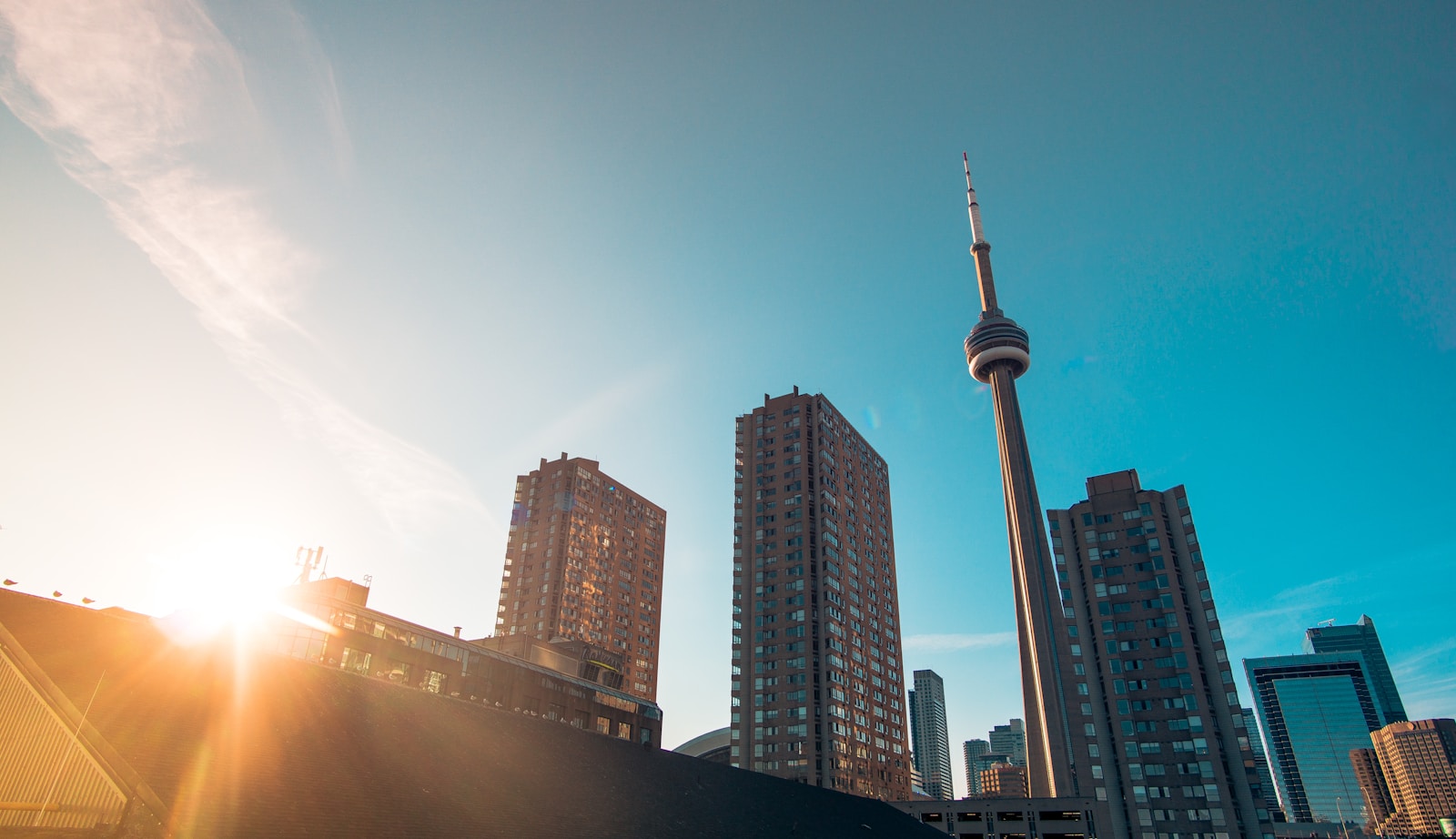
Toronto's downtown condo market currently favors buyers.

Path 1: The Low-Rise Boom & The HST Rebate Advantage

If you have been holding out for a detached, semi-detached, or townhome, the landscape is shifting quickly. New low-rise home sales have beaten their 10-year average for the second consecutive month.

Why the sudden rush? It comes down to the province's enhanced HST rebate program for new construction. Buyers are realizing that the tax savings on a brand-new home often outweigh the benefits of buying resale, especially when builders are offering flexible deposit structures to close the deal.

However, if you are looking at the resale freehold market, the window of opportunity is tightening. TRREB’s May and June data show that new listings have dropped by nearly 18.9% year-over-year.

The Takeaway for House Hunters: Inventory for low-rise homes is shrinking. If you want a freehold property, the time to sit on the fence has passed. The enhanced HST rebate makes new builds incredibly attractive, but if you prefer an established neighborhood, you will need to act before the lack of resale inventory drives prices back up.

Path 2: The Downtown Condo Squeeze

While the low-rise market tightens, the Toronto condo market is currently a true "Buyer's Market."

Condominium sales have dropped significantly below their 10-year average, and active listings are piling up. Sellers who bought pre-construction a few years ago are now looking to offload units, creating a glut of supply. Currently, the sale-to-list ratio in the GTA is hovering around 98%—meaning buyers finally have the power to negotiate under the asking price.

But here is the most important signal for everyday buyers: Institutional investors are quietly swooping in.

Just this week, news broke that a Canadian corporate buyer purchased $30 million worth of unsold condos in downtown Toronto—and stated they are "just getting started." Institutional money always buys at the bottom of the market. If massive corporations are buying Toronto condos in bulk right now, they are betting heavily on a fast recovery.

The Takeaway for Condo Buyers: Do not let high condo fees or temporary price stagnation scare you away. You currently have more negotiating power than buyers have had in years. Follow the "smart money" and secure a downtown condo at a discount before the institutional buyers scoop up all the premium inventory.

Which Path is Right For You?

The 2026 market divide means there is no "one size fits all" advice.

  • If you prioritize land, space, and tax incentives, the new-build low-rise market is calling your name.

  • If you want to buy at the bottom of the market and secure a long-term asset in a world-class city, the downtown condo market is overflowing with opportunity.

At RE/MAX Plus City, we track these micro-trends daily. We know which builders are offering the best HST rebate incentives and which downtown condo buildings have motivated sellers ready to negotiate.

Contact our team today remaxpluscity.com/contact to discuss your 2026 real estate strategy. 

Read

If you have been watching the Greater Toronto Area (GTA) real estate market in 2026, you have likely noticed a sharp increase in listings containing the phrase: "Property being sold under Power of Sale."

With mortgage renewal rates causing financial strain for many homeowners and investors, Power of Sale listings have become a major topic. For buyers, these properties represent a unique opportunity to enter the market or secure an investment—but only if you understand the strict legal rules that govern them.

This guide breaks down exactly how a Power of Sale works in Ontario, the hidden risks of the "As-Is" clause, and how to successfully buy one in today's market.

What is a Power of Sale?

A Power of Sale is a legal mechanism that allows a mortgage lender (like a bank or private lender) to sell a property when the homeowner stops making their mortgage payments.

Instead of going through a lengthy and expensive court process, the right to sell the property is written directly into the standard Ontario mortgage contract. Once the homeowner defaults, the lender must provide a notice period. If the debt isn't paid, the lender can legally list the home on the MLS and sell it to a new buyer.

Power of Sale vs. Foreclosure: The Critical Difference

Many buyers mistakenly use the terms "foreclosure" and "Power of Sale" interchangeably. In Ontario, they are entirely different, and understanding this changes how you should negotiate.

FeaturePower of Sale (Ontario Standard)Foreclosure (Rare in Ontario)
Title OwnershipThe original homeowner remains on title.The bank takes full legal ownership.
Profit RulesExcess equity goes back to the homeowner.The bank keeps all the profits.
Pricing StrategyMust be sold at Fair Market Value.Can be sold at a deep discount.

The Bottom Line: Because lenders in Ontario have a fiduciary duty to the original homeowner, they cannot hold a "fire sale" and sell the home for pennies on the dollar. You can get a fair deal, but you will not get a house for 40% off market value.

Why Buy a Power of Sale Property?

Despite the lack of deep discounts, buyers and investors are actively seeking these properties in 2026 for three main reasons:

  1. Motivated, Logical Sellers: You are negotiating with a bank's asset manager, not an emotionally attached homeowner. They want a fast, clean transaction.

  2. Less Bidding Competition: Many everyday buyers are scared off by the legal terminology and the "As-Is" condition, leaving more room for prepared buyers to negotiate.

  3. Value-Add Potential: Because defaulting homeowners often fall behind on maintenance before they lose the home, these properties often need cosmetic updates. This presents a great opportunity for buyers willing to put in a little "sweat equity."

The Hidden Risks: Understanding "Schedule A"

When you submit an offer on a Power of Sale, the bank will attach a mandatory legal document usually called Schedule A. This document deletes standard buyer protections and is the reason you need an experienced real estate team.

Here is what you are accepting when you buy a Power of Sale:

  • The "As-Is, Where-Is" Clause: The bank never lived in the home. They will not guarantee that the roof doesn't leak, that the furnace works, or that the basement is dry. If you find a problem after closing, it is entirely your responsibility.

  • No Clean-Up Guarantees: The bank will not guarantee that the property will be professionally cleaned or that the previous owner's junk will be removed before you move in.

  • The Right of Redemption: Up until the moment the property officially closes, the original homeowner has the legal right to pay off their debt and halt the sale. If this happens, your purchase agreement is canceled (though you do get your deposit back).

How to Successfully Buy a Power of Sale in 2026

If you are ready to navigate the risks, here is how you position yourself to win:

  1. Never Waive Your Home Inspection: Because of the "As-Is" clause, a professional home inspection is your only line of defense. Never buy a distressed property blindly.

  2. Have Your Financing Locked In: Banks prefer clean, straightforward offers. Have your mortgage pre-approval fully secured and a healthy deposit ready. Lenders are less likely to accept offers with long, complicated financing conditions.

  3. Work with a Specialist: You need a Realtor who knows how to read bank schedules, negotiate with asset managers, and spot the signs of a good investment.

Ready to see what is on the market?

We track distressed properties across the GTA. Click here to view our exclusive list of current Power of Sale listings.

Frequently Asked Questions

Are Power of Sale properties cheaper than regular homes?

Not drastically. Lenders are legally required to sell the home at Fair Market Value. While you might secure the property slightly below market value due to its "As-Is" condition, you will not find extreme discounts.

Can I get a mortgage on a Power of Sale property?

Yes. You can finance a Power of Sale just like any other home. However, your lender may require an appraisal to ensure the home is in habitable condition before they approve the funds.

How long does it take for a bank to accept an offer?

Unlike a standard sale where a homeowner might reply in 24 hours, bank offers often take 2 to 5 business days. The offer must usually be reviewed by an asset manager and sometimes a recovery committee.

How do I find Power of Sale listings in Toronto and the GTA?

They are listed on the MLS, but they are often hidden in the "Brokerage Remarks" that only licensed Realtors can see. The best way to find them is to work with an agent who actively filters for these listings. Contact the RE/MAX Plus City team today to get started.

Read

The energy in Downtown Toronto right now is absolutely electric. The FIFA World Cup 2026™ has officially arrived, and with it, an estimated 500,000 global visitors are pouring into the city. From the roar of the crowds at Toronto Stadium to the massive FIFA Fan Festival™ taking over Fort York and The Bentway, the city is reminding everyone exactly why it is a world-class destination.

But beyond the goals and the global spotlight, the tournament is sending a very clear message to the real estate market: the downtown lifestyle is unmatched, and its property values are anchored by serious global appeal.

Here is a breakdown of how the 2026 World Cup is highlighting the immense value of Downtown Toronto real estate, and what it means for buyers, sellers, and investors.

1. The 4 A.M. Last Call & World-Class Vibrancy

For the duration of the tournament (June 11 to July 19), Ontario has granted a temporary extension for alcohol service, allowing licensed bars and restaurants to stay open until 4:00 a.m.

While the late-night hours cater to international time zones and post-match celebrations, they also highlight the unmatched vibrancy of downtown living. For young professionals and buyers looking for an active, highly walkable lifestyle, the current atmosphere is a massive selling point. You simply cannot replicate this level of energy, culture, and convenience in the suburbs.

The Takeaway for Buyers: If you have been waiting on the sidelines to purchase a downtown condo, this global event is a stark reminder of the perks of city living. Buying in the core means having world-class entertainment, diverse culinary scenes, and massive cultural festivals right at your doorstep.

2. The Short-Term Rental Boom

With hundreds of thousands of fans descending on the city, the demand for accommodations has skyrocketed. Hotels are booked solid, which has created a massive windfall for downtown condo owners who operate short-term rentals.

Investors holding properties near transit hubs, Exhibition Place, or Liberty Village are currently seeing premium rental rates that significantly boost their annual Return on Investment (ROI).

The Takeaway for Investors: The World Cup proves that Toronto is a magnet for high-yield, short-term rental opportunities during major global events. If you want to capitalize on properties that attract premium seasonal rates, the experienced team at RE/MAX Plus City can help you identify the most lucrative downtown investment zones.

3. Permanent Infrastructure Upgrades

The benefits of the World Cup will outlast the final whistle. To prepare for the tournament, the city and province injected millions of dollars into local infrastructure.

  • Transit Enhancements: The TTC has expanded dedicated streetcar lines (like the 509 Harbourfront and 511 Bathurst) and implemented rapid transit lanes to move crowds efficiently.

  • Public Spaces: The Bentway and Fort York have been activated into a massive 43-acre urban park and festival hub, proving how effectively Toronto can utilize its public spaces.

  • Stadium Expansion: BMO Field (temporarily renamed Toronto Stadium) added over 17,000 seats to meet FIFA requirements, ensuring the venue can host massive future events.

The Takeaway for Homeowners: Upgraded transit and revitalized public spaces are proven catalysts for real estate appreciation. Neighborhoods benefiting from these permanent improvements will see their property values steadily climb long after the tourists go home.

📅 The Action Right Next Door: Toronto Match Schedule

Living downtown means you are just a short streetcar ride away from the biggest sporting event on the planet. Here is the schedule of matches being played locally at Toronto Stadium:

DateTime (EST)Matchup
Friday, June 123:00 p.m.Canada vs. Bosnia and Herzegovina
Wednesday, June 177:00 p.m.Ghana vs. Panama
Saturday, June 204:00 p.m.Germany vs. Côte d'Ivoire
Tuesday, June 237:00 p.m.Croatia vs. Panama
Friday, June 263:00 p.m.Senegal vs. Iraq
Thursday, July 27:00 p.m.Round of 32 (Teams TBD)

Ready to Make Your Move in the City?

The FIFA World Cup 2026™ is a live, high-energy demonstration of why people want to invest, live, and play in Toronto. Whether you are looking to buy a condo steps away from the action, sell your property to eager investors, or simply want to understand how global events impact your home's equity, you need the right experts in your corner.

Don't navigate this dynamic market alone. Visit RE/MAX Plus City today to browse active listings, connect with top-tier real estate professionals, and make your next winning real estate move.

Read

*|MC:SUBJECT|*

GTA Housing: June 2026 Market Update

"This combination of rising demand and shrinking supply is creating tighter market conditions..."

By The Numbers

  • Sales Volume: GTA home sales rose 6.3% year-over-year to 6,583 transactions, showing steady momentum since early spring.

  • The Supply Drop: New listings plummeted 18.9% year-over-year, leading to rapid inventory absorption and increased buyer competition.

  • Home Prices: The average GTA home price sits at $1,069,700 (down 4.6% year-over-year). However, month-over-month prices have stabilized, laying a foundation for future growth.


Source: Toronto Regional Real Estate Board

Freehold Market Continues to Lead

Freehold housing remains the primary driver of the recovery, now accounting for 58% of all GTA sales. A mix of returning move-up buyers and stable borrowing costs are driving demand, particularly in mature Toronto neighborhoods where limited inventory is putting upward pressure on prices.

Condos Showing Signs of Stabilization

While the condo segment faces the most challenges, conditions are gradually improving. The market saw 3,236 condominium sales with an average price of $673,841. Inventory is being absorbed faster than new supply is entering, driven by strong rental demand and first-time buyers.


Source: Toronto Regional Real Estate Board

The Supply Challenge Ahead

Long-term supply issues are looming. Beyond low housing starts, an emerging trend shows older homeowners opting for reverse mortgages to age in place rather than selling, further restricting the resale inventory available to the market.

"The GTA housing market is no longer searching for a bottom. The conversation is increasingly shifting toward recovery."

Read

If you bought a home or condo in the Greater Toronto Area (GTA) between 2021 and 2022, you might be walking into one of the most frustrating roadblocks in the current real estate market.

You have a perfect credit score. You have never missed a mortgage payment. Your income has gone up. Yet, as your mortgage renewal approaches and you look to refinance to ease the burden of higher interest rates, the bank is saying "no."

You aren't alone. This is what the Bank of Canada recently highlighted in its Financial Stability Report, and mortgage brokers are calling it the GTA Refinancing Trap.

Here is exactly why perfectly qualified homeowners are being locked out of the refinance market this year—and more importantly, the actionable steps you can take to protect your equity and lower your payments.

The Root of the Problem: The "80% Rule" and Dropping Appraisals

In 2026, close to 60% of Canadian mortgages are set to renew—marking one of the largest renewal waves in decades. Many of these homeowners secured ultra-low rates around 1.39% fixed or 0.99% variable during the pandemic.

Today, those rates are gone. Many homeowners are looking to refinance—perhaps to stretch their amortization back to 25 or 30 years to lower their monthly payments, or to consolidate debt.

Here is where the trap snaps shut: In Canada, you are legally only allowed to refinance up to 80% of your home’s current appraised value.

Over the last two years, the Toronto housing market has cooled. As of June 2026, the average home price in the GTA sits at roughly $1,069,700—down nearly 5% year-over-year. Because property values have dipped, home appraisals are coming back significantly lower than what owners expect.

The Math Behind the Trap

If you bought a home for $1,000,000 in 2021 with a 10% down payment, your mortgage was $900,000.

Fast forward to today:

  • You owe roughly $800,000 on the mortgage.

  • However, if a bank appraiser values your home at $950,000 in today's market, 80% of that value is only $760,000.

Because you owe $800,000, which is more than the $760,000 limit, you do not qualify for a refinance. You are effectively trapped with your current lender, unable to restructure your loan to lower your payments.

Are You Forced to Accept Your Bank's Renewal Offer?

When homeowners realize they can't refinance, they often panic and sign the automatic renewal letter their current bank sends them in the mail. Do not do this without exploring your options first.

Banks know that if you are "trapped" by a low appraisal, you have less negotiating power. As a result, the rate they offer you in that letter is almost certainly higher than what they offer new clients.

3 Strategies to Escape the Refinancing Trap

If you are facing a low appraisal or a stressful renewal, you still have options. At RE/MAX Plus City, we help our clients navigate this exact scenario every single day. Here is what we recommend:

1. Switch Instead of Refinance

While refinancing (changing the loan amount or amortization) requires 20% equity and a strict appraisal, a straight switch (moving your exact remaining loan amount and schedule to a new lender) often does not. If your current bank is offering you a poor rate, you can still shop the market and move your mortgage to a lender offering a better rate, often without triggering a full physical appraisal.

2. Get a Professional Broker Opinion of Value First

Bank appraisers are famously conservative. Before you let the bank dictate what your home is worth, bring in an expert. Our team at RE/MAX Plus City can provide a comprehensive, data-driven Current Market Evaluation. We pull the most recent, comparable sales in your specific downtown Toronto or GTA neighborhood to ensure your home’s value is being accurately represented. If the bank's automated system is undervaluing your home, we give you the data to fight back.

3. Explore Alternative (B-Lender) Options

If you absolutely must refinance to consolidate debt or lower your payments to survive, and traditional banks are saying no because of the 80% rule, Alternative Lenders (often called B-Lenders) have more flexible internal policies. While their rates might be slightly higher, the ability to extend your amortization and lower your actual monthly cash outflow can save you from having to sell your property in a down market.

Don't Let the Market Dictate Your Financial Future

The 2026 real estate market requires strategy. The days of simply signing a renewal paper and forgetting about it for five years are over. Whether you own a condo in Liberty Village or a detached home in Mimico, knowing the true, current value of your property is your best defense against the refinancing trap.

Before you sign your renewal letter, let’s talk.

Contact the team at remaxpluscity.com today. We will provide you with a crystal-clear picture of what your property is worth in today’s market, so you can confidently negotiate with your lender or decide if selling is the better strategic move.

Read

The headlines about Toronto's condo market have been relentlessly negative for the past two years. Prices down. Investor exodus. Record inventory. Negative cash flow.

All of that is true — for buyers who paid peak 2022 prices. For buyers entering the market today, those same headlines describe the exact conditions that create generational buying opportunities in real estate.

Downtown condos in Toronto have corrected. They are more affordable than they've been since 2019. Government incentives have made the ownership math genuinely compelling for first-time buyers. And the structural case for the downtown Toronto core — transit connectivity, global city status, finite lakefront supply — has never been stronger.

This is not a market update full of spin. It's an honest assessment of why downtown condos remain the smartest long-term purchase in Toronto's real estate market — and how to navigate them in 2026. From the team at RE/MAX Plus City, located in the heart of downtown at 14B Harbour St.


What "Downtown Condos" Means in 2026

The term "downtown condo" covers an enormous range of product in Toronto — from a 380 sq ft investor-grade studio in a King West tower to a 2,800 sq ft penthouse on the 70th floor of a waterfront high-rise. Understanding which segment you're in shapes everything that follows.

For this guide, we're focused on the core downtown condo market that serves the largest number of buyers: condominiums in the City of Toronto's C01, C02, and C08 districts — covering King West, Queen West, the Entertainment District, the Financial District, Harbourfront, Yorkville, and the Distillery District. This is the urban core that most people mean when they say "downtown condo."


The 5 Strongest Arguments for Buying a Downtown Condo in 2026

1. Prices Have Already Corrected

This matters enormously for buyers who are worried about "buying at the top." The top was early 2022. From that peak, downtown Toronto condos have declined 20%–30% in most building types. A one-bedroom unit that was $780,000 in February 2022 is realistically $560,000–$640,000 today.

You are not buying at the peak. You are buying approximately 3–4 years into a correction that the data suggests is largely complete. Inventory is still elevated, but the rate of new listings entering the market has stabilized, and sales activity at corrected price levels is steady.

2. The Investor Competition Is Gone

From 2015 to 2022, buying a downtown Toronto condo meant competing against investors — often leveraged, often unconditional, often willing to pay $50,000–$150,000 over asking to secure an asset they planned to hold for appreciation. The buying experience for end-users was brutal.

In 2026, those buyers are gone. New condo investor purchases are at 35-year lows. The buyers in today's market are overwhelmingly end-users — people who actually intend to live in what they buy. The result: conditional offers are accepted. Days on market have extended. Negotiation is possible. You can do your due diligence.

3. Government Programs Have Materially Improved the Math

Two policy changes in 2025–2026 have made downtown condo ownership meaningfully more accessible:

The new HST rebate: First-time buyers of new construction can save $83,000–$108,000+ in combined federal and provincial tax relief, depending on purchase price. Calculate your exact savings.

The 30-year amortization for resale: First-time buyers can now access a 30-year mortgage on resale condos — dropping monthly payments by approximately 9% and improving stress test qualification significantly.

Combined, these changes have expanded the pool of Torontonians who can realistically afford a downtown condo purchase by a meaningful margin.

4. Toronto's Downtown Core Has Durable Economic Anchors

The argument for downtown Toronto isn't just about real estate — it's about the underlying economic vitality of the city's core. The Financial District is Canada's largest concentration of financial services firms. The entertainment and tech sectors clustered around King West and the waterfront have grown through the condo correction. Union Station processes over 300,000 daily transit trips. Bay Street's corporate law and investment banking communities are headquartered here.

Cities with this kind of diverse, high-value economic base don't see sustained residential value declines. They see corrections — like the one that has already happened — followed by recoveries.

5. Supply Is Being Constrained for the Next Cycle

The 52% collapse in new condo sales in Q1 2026 is not just a 2026 story. It's the beginning of a multi-year supply squeeze that will likely emerge in 2028–2030. Condo towers take 3–6 years from sales launch to occupancy. The projects not launching today are the inventory that won't be available in 4–5 years.

Toronto's population continues to grow. Immigration targets remain high. The city's housing need is structural. When today's elevated inventory is absorbed — as it will be — the next cycle will begin with a meaningfully smaller pipeline of future supply. Buyers who enter at today's corrected prices will benefit from that dynamic.


The Real Monthly Cost of a Downtown Condo in 2026

Let's be completely transparent about the numbers, because vague optimism serves no one.

Scenario: First-time buyer, $650,000 one-bedroom downtown condo, 10% down ($65,000), 30-year amortization at 4.2%:

Item Monthly Cost
Mortgage ($585,000) $2,867
Maintenance fee (630 sq ft × $0.85) $536
Property tax (estimated) $335
Insurance $80
Total $3,818/month

A comparable one-bedroom rental in the same area currently runs $2,100–$2,500/month — factoring in landlord incentives of 1–2 months free rent.

The ownership premium over renting is approximately $1,300–$1,700/month. What does that premium buy you? Mortgage paydown (you're building equity with every payment), long-term capital appreciation exposure, the security of not being subject to a landlord's decisions, and the ability to renovate and customize your space.

Whether that premium is "worth it" is a personal financial and lifestyle decision. What we can say is that the premium is smaller now than at any point since 2019 — and it's shrinking further with each Bank of Canada rate cut.


The Downtown Condo Lifestyle: What You're Actually Buying

Beyond the investment math, downtown condos offer a lifestyle that a large and growing segment of Torontonians genuinely want.

Walkability. Most of downtown Toronto's best condo buildings sit within a 10–15 minute walk of the Financial District, Union Station, the waterfront, and hundreds of restaurants, coffee shops, gyms, and cultural venues. A Walk Score of 95–99 is common. Car dependency becomes optional.

The PATH. Toronto's underground pedestrian network — the largest in the world — connects most of the Financial District and South Core to Union Station, dozens of major office towers, and hundreds of retail shops and restaurants. In January, this matters enormously.

Time. The downtown condo's most underrated benefit is the hours returned to your week when your commute shrinks to zero. For professionals whose time has real economic value, this is often worth more than any financial calculation.

Access to the waterfront. For buildings in the southern core, the Martin Goodman Trail, Harbourfront Centre, and Toronto Islands are part of your daily reality — not a weekend destination.

Community. The narrative that downtown condos are anonymous is increasingly outdated. Buildings like The Well have created genuine communities, with programming, shared spaces, and a density of like-minded residents that suburban homeownership rarely offers.


What to Prioritize When Shopping for a Downtown Condo

Location within the location: In the downtown core, a block can make an enormous difference. A unit on the south side of a building with lake views trades very differently from an identical unit on the north side with a brick wall view. Be specific about which blocks, which exposures, and which floors matter to you — and why.

Building financials before unit aesthetics: We see buyers fall in love with finishes and lose sight of building fundamentals. A beautiful unit in a financially stressed condo corporation is a liability, not an asset. Always review the Status Certificate before getting emotionally committed.

The five-year plan: Are you planning to live here for 2 years or 10? If you're a two-year buyer, liquidity matters — stick to product types and locations with demonstrated resale demand. If you're a 10-year buyer, you can take more risks on up-and-coming buildings and locations that may not yet be fully recognized by the market.

Parking and storage: Assess your actual needs honestly. A parking spot in a downtown building is $80,000–$150,000+ in many cases. If you don't own a car and don't plan to, don't pay for it. If you do, make sure you understand what you're getting — some buildings have tandem or mechanical parking that significantly affects practical usability.


How RE/MAX Plus City Helps Downtown Condo Buyers

We are downtown Toronto specialists — not a suburban brokerage that occasionally sells a condo near a subway station. Our office is at 14B Harbour St, and most of our agents live and work in the downtown core. We know the market at the building level — the maintenance fee trajectories, the special assessment histories, the floor plans that hold value, and the buildings to avoid in 2026.

For buyers, we offer:

  • Access to the most current MLS inventory including unlisted and off-market opportunities

  • In-depth building-by-building analysis beyond what any online portal provides

  • Pre-construction and assignment sale expertise through our assignmentplus.ca platform

  • Connections to trusted mortgage brokers and real estate lawyers who specialize in downtown Toronto condos

  • Honest, data-driven advice — even when it means telling you not to buy a specific unit you're excited about

Browse our current downtown listings or contact us directly to start the conversation.

📞 647-259-8806 📧 info@remaxpluscity.com 🌐 remaxpluscity.com


This article is for informational purposes only and does not constitute financial or investment advice. All market data reflects general trends as of May 2026. Individual results vary. Consult a licensed Realtor and financial advisor before making any real estate purchase decision.

Read
This website may only be used by consumers that have a bona fide interest in the purchase, sale, or lease of real estate of the type being offered via the website. The data relating to real estate on this website comes in part from the MLS® Reciprocity program of the PropTx MLS®. The data is deemed reliable but is not guaranteed to be accurate.