RSS

Unsold units signal trouble in Toronto condoland

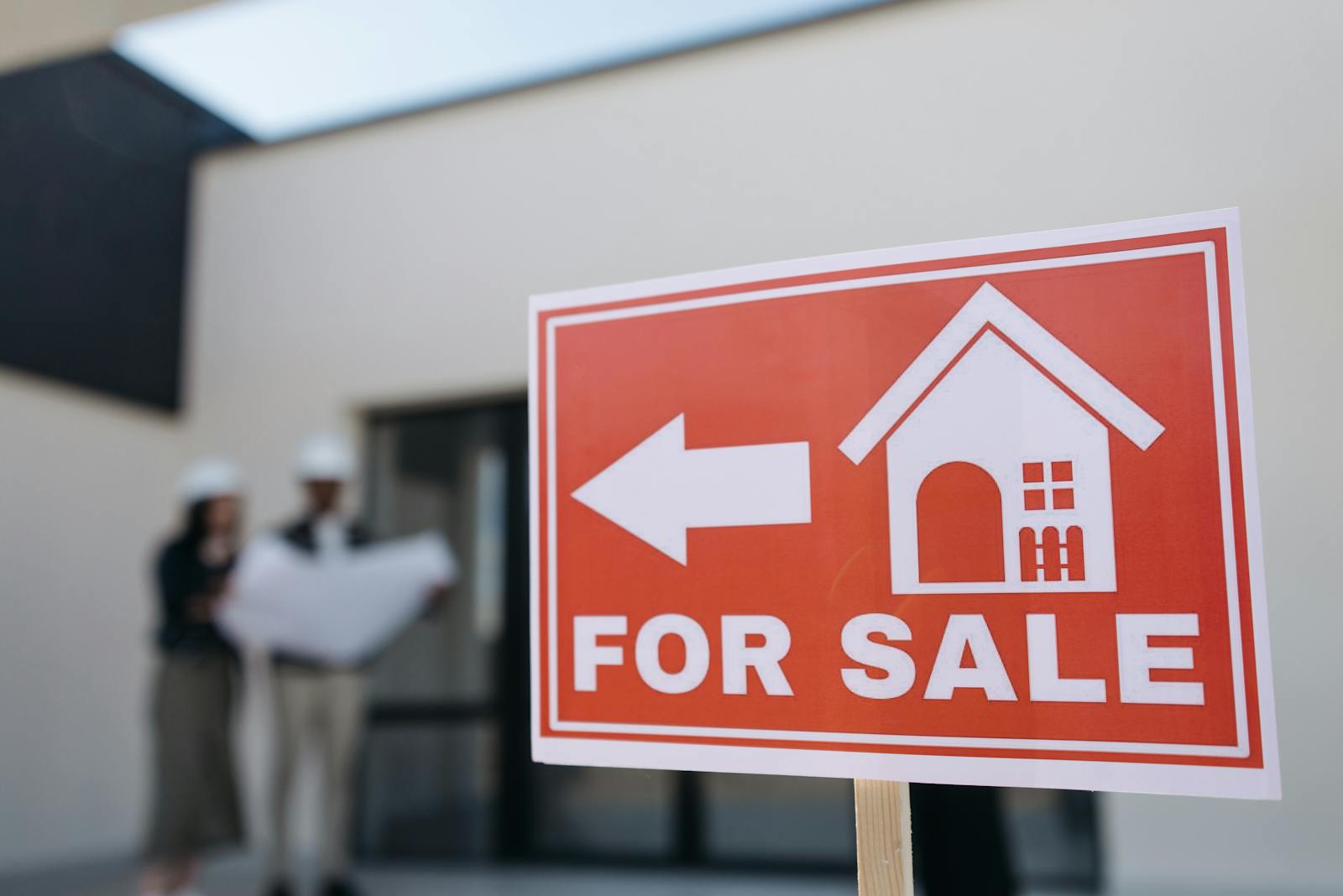
Sales of new and as-yet unbuilt condominiums have fallen to decades-long lows in recent months, but a looming and more urgent issue is what to do about thousands of complete or nearly complete unsold apartments and townhouses.


“You’ve got almost 96,000 units under construction, due to complete and deliver over the next three years,” in the Toronto-region according Fraser Wilson, a former senior vice-president with pre-construction sales experts International Home Marketing Group. It was industry standard that perhaps 20 per cent of those units went unsold when those projects launched between 2018-2022. Now though, his contacts in the industry are finding that the amount of unsold product is increasing as more and more buyers walk away from their purchase contracts.


“The developers are now entering a phase where consumers are saying ‘I’m not going to be able to close on this unit. Sorry, keep my deposit, seek legal action.’ We’re just on the forefront of that taking place,” he said.


It’s a phenomenon lawyer Mark Morris recognizes as he sees increasing numbers of clients coming to his Legalclosing.ca business looking for some kind of Hail Mary pass to keep them from defaulting on contracts that carry stiff financial penalties. In his view, the market is in the middle of the “pain cycle” of a real estate correction when first the buyers, then the builders and finally the lenders lose money.


“Lender pain is really not all that acute, and they’ve made provisions for losses,” said Mr. Morris. “Builder pain is becoming quite acute, they are looking at greater defaults. They are trying to pre-empt it by getting further financing proofs [including mortgage pre-approvals earlier than normal]. They are getting very worried about it.”


Real estate analysts note that consumer pain began as soon as interest rates began to rise, making existing mortgages more expensive and killing both the assignment market – a sort of condo futures marketplace where pre-construction buyers used to try to swap contracts that had seen some potential equity gains over time – and slowing the resale market down to where condo prices began to drop.


“Two years into the slowdown, it’s biting because builders are delivering,” said Pauline Lierman, vice-president market research with Zonda Urban. “People have talked about this for so long and now it’s happening.”


Builders are taking a varied approach to dealing with the issue. Large-scale builder CentreCourt Developments currently has more than 40 claims in Toronto civil courts demanding that preconstruction buyers who defaulted at two of its buildings repay any losses compared to the agreed price and the eventual resale price.


As an example of its standard legal claim, on Aug. 30, a CentreCourt holding company (Church Residences GP Inc.) filed for at least $534,767 in damages from a buyer who in 2020 agreed to purchase a unit on the 32nd floor of the condo tower at 199 Church St. Centrecourt’s filing states that when the unit was ready for occupancy in June, 2024 – with a new adjusted price that was about $70,000 higher – the buyer who had already paid a $136,998 deposit asked for a delay of one month before eventually defaulting.


According to listings on Condos.ca, a similar-sized unit one floor below is currently for sale at $1,183 per square foot, but over the summer another similar-sized unit priced at $1,358 per square foot on the 10th floor sat unsold for 142 days before the listing was terminated in late September.


Legal claims against buyers are still a relative rarity, but Mr. Morris warned that a lack of court action doesn’t mean builders are sleeping. They can sue now, before they’ve “crystalized” their loss through a resale of a defaulted unit, or they can sue up to two years after they take the loss. Many, he warns, are taking the patient approach.


In hotter market conditions developers were able to sell these units through real estate agents or even to established clients. But with Toronto’s condo resale market sitting at nearly seven months of inventory builders can expect these units to sit empty for months, creating a costly drag on balance sheets.


Mr. Wilson’s solution is to launch a new auction site – www.inventorycondos.com – to assist buyers and builders find the actual market price of unsold units, a process he acknowledges may result in some losses for builders.


“They have their bottom line, they have to achieve a certain price,” he said, noting that some recently completed units are still being marketed at prices per square foot far above anything moving in the resale market. “Anybody who’s got a calculator will not be able to make sense of the prices that are being sought.”


A recently completed site he’s already signed up to auction unsold units is 8 Haus at 2433 Dufferin St., Toronto by Royalpark Homes.


“We need to find each other somewhere in the middle, and an auction is the mechanism to do that. We have to move this unsold inventory in order to get the market balanced,” he said.


Read

FAQs For First-Time Buyers

1. What Should I Know Before Buying My First Home in Toronto?

 
  • Understand Your Budget: Determine how much you can afford by getting pre-approved for a mortgage.

  • Research the Market: Familiarize yourself with different neighborhoods and their price ranges.

  • Consider Additional Costs: Factor in closing costs, property taxes, maintenance, and insurance.


2. How Do I Get Pre-Approved for a Mortgage?

 
  • Gather Financial Documents: You'll need proof of income, credit history, and details of your debts and assets.

  • Shop Around: Compare rates and terms from different lenders to find the best deal.

  • Consult with a Mortgage Broker: They can help you navigate the options and find suitable mortgage products.


3. What Types of Properties Are Available?

 
  • Condos: Popular in downtown Toronto, offering amenities and a convenient lifestyle.

  • Townhouses: Provide more space than condos and often include private outdoor areas.

  • Detached and Semi-Detached Homes: Ideal for families needing more room and privacy.


4. What Are the Key Steps in the Buying Process?

 
  • Find a Real Estate Agent: Work with a professional who knows the Toronto market.

  • House Hunting: Visit properties and attend open houses to find the right home.

  • Make an Offer: Your agent will help you draft and submit a competitive offer.

  • Home Inspection: Arrange an inspection to identify any potential issues.

  • Closing the Deal: Finalize your mortgage, complete legal paperwork, and take possession of your new home.


5. What Should I Look for During a Home Inspection?

 
  • Structural Integrity: Check for any signs of foundation issues, roof damage, or water leakage.

  • Plumbing and Electrical Systems: Ensure all systems are functioning properly.

  • Pest Infestations: Look for any signs of pests that could cause damage or health issues.

  • Safety Hazards: Identify any potential safety concerns, such as faulty wiring or mold.


6. How Can I Make My Offer More Attractive?

 
  • Get Pre-Approved: A pre-approval letter shows you are a serious buyer.

  • Flexible Closing Date: Accommodating the seller's preferred timeline can make your offer stand out.


7. What Financial Assistance Programs Are Available for First-Time Buyers?

 
  • First-Time Home Buyer Incentive: A government program offering shared equity mortgages for eligible buyers.

  • Land Transfer Tax Rebate: First-time buyers may qualify for a rebate on the land transfer tax.

  • RRSP Home Buyers’ Plan: Allows you to withdraw up to $35,000 from your RRSP to buy or build a qualifying home.


8. What Should I Consider About the Neighbourhood?

 
  • Proximity to Work and Schools: Consider commute times and the quality of local schools.

  • Amenities and Services: Look for nearby grocery stores, parks, public transit, and healthcare facilities.

  • Safety and Community: Research crime rates and community engagement in the area.


9. How Can I Protect My Investment?

 
  • Home Insurance: Ensure you have adequate coverage for your home and belongings.

  • Regular Maintenance: Keep up with regular maintenance to preserve your home's value.

  • Stay Informed: Keep abreast of market trends and economic factors that could impact property values.


10. What Are Common Mistakes to Avoid?

 
  • Overextending Financially: Stick to your budget and avoid taking on more debt than you can handle.

  • Skipping the Inspection: Never forgo a home inspection to save money.

  • Rushing the Process: Take your time to find the right property and ensure all paperwork is in order.


By understanding these key aspects, first-time buyers in Toronto can navigate the home buying process more confidently and make informed decisions that suit their needs and financial situation.


Read

Condo assignment sales have become a in-demand option in the Greater Toronto Area (GTA) real estate market. This guide will cover essential topics about condo assignments, ensuring you have all the information you need to navigate this niche market effectively.


1. What is an Assignment?


A condo assignment refers to the sale of a pre-construction or under-construction condo unit by the original purchaser (assignor) before the official closing date. Essentially, the assignor sells their rights and obligations under the original purchase agreement to a new buyer (assignee). This means the assignee takes over the contract and completes the purchase directly from the developer once the condo is ready for occupancy.


Key Points:

 
  • The assignor is the original buyer who secured the unit from the developer.

  • The assignee is the new buyer taking over the purchase contract.

  • Assignments are common in hot markets where condo prices have risen since the original purchase.


2. What to Look Out for When Buying an Assignment?


Purchasing a condo assignment involves several unique considerations. Buyers should be diligent in evaluating these aspects to ensure a smooth transaction.


Considerations:

 
  • Assignment Fees: Developers may charge assignment fees, which can range from a few thousand dollars to a percentage of the purchase price.

  • Price Appreciation: Ensure that the price of the assignment reflects current market values and not just the original purchase price plus a premium.

  • Deposit Structure: Understand the deposit amounts already paid and any remaining payments due upon closing.

  • Developer Approval: All assignments require the developer’s approval. Confirm that the developer allows assignments and the associated conditions.

  • Legal and Financial Review: Have a real estate lawyer review the original purchase agreement and assignment contract to identify any potential issues.


4. How Does the Assignment Process Work?


The assignment process involves several steps and requires coordination between the assignor, assignee, developer, and real estate professionals.


Steps in the Assignment Process:

 
  1. Agreement Review: The assignor and assignee review the original purchase agreement and assignment terms.

  2. Developer Approval: The assignor requests approval from the developer to proceed with the assignment.

  3. Assignment Agreement: Both parties sign an assignment agreement, outlining the terms of the transfer.

  4. Legal Documentation: A real estate lawyer finalizes the legal documentation to ensure the assignment is legally binding.

  5. Final Closing: The assignee completes the purchase directly from the developer once the condo is ready for occupancy.


5. Why is an Experienced Agent Crucial for Representation of an Assignment Sale?


An experienced real estate agent plays a vital role in the successful sale of a condo assignment. Here’s why their expertise is essential:


Benefits of an Experienced Agent:

 
  • Market Knowledge: Experienced agents have a deep understanding of the condo assignment market and can provide valuable insights on pricing and market trends.

  • Negotiation Skills: Skilled agents can negotiate favourable terms and conditions for both assignors and assignees.

  • Network Access: Agents have access to a broad network of potential buyers and other real estate professionals, increasing the likelihood of a successful sale.

  • Legal and Procedural Guidance: Agents can guide clients through the complex legal and procedural aspects of assignment sales, ensuring compliance with developer requirements and local regulations.

  • Marketing Expertise: An experienced agent can create effective marketing strategies to attract qualified buyers quickly.


To view active assignment listings, click here or to list your assignment, click here.

Read

Things To Ask Your Real Estate Agent

Buying a home is one of the most significant investments you'll ever make. To ensure you make the best decision, it's crucial to ask your real estate agent the right questions. Here are some essential questions to ask your agent to make the home buying process in Toronto smoother and more informed.


1. What Is the Current Market Condition?


Understanding the market condition helps you know if it’s a buyer’s or seller’s market. Ask your agent:

 
  • Is the market competitive?

  • Are homes selling above or below the asking price?

  • How long do properties typically stay on the market?


2. What Are the Total Costs Involved?


Beyond the purchase price, there are other costs to consider:

 
  • What are the estimated closing costs?

  • Are there any property taxes or maintenance fees?

  • What are the average utility costs?

  • Does the home require any work such as replacement of the roof, air conditioning unit etc.?


3. What Is the History of the Property?


Understanding the history can help you avoid potential issues:

 
  • How long has the property been on the market?

  • Why is the seller moving?

  • Has the property had any major repairs or renovations?


4. What Is the Neighbourhood Like?


Location is key in real estate. Ask about the area to ensure it meets your lifestyle needs:

 
  • What amenities are nearby (schools, parks, grocery stores)?

  • What is the crime rate like?

  • Are there any upcoming developments or zoning changes?


5. What Are the Future Projections for the Area?


Knowing future projections can affect your investment:

 
  • Are property values in the area increasing?

  • Are there any planned infrastructure projects that could impact property values?

  • How is the local job market?


6. Can You Provide a Comparative Market Analysis (CMA)?


A CMA will give you an idea of the property’s value based on recent sales of similar homes:

 
  • What do comparable homes in the area sell for?

  • How does this property’s price compare to recent sales?


7. What Is the Offer Process?


Understanding the offer process helps you be prepared and strategic:

 
  • What is the best strategy for making a competitive offer?

  • How much is the deposit?

  • What conditions should be included in the offer?

  • What other terms are placed in the offer?


9. What Should I Expect During the Home Inspection?


A home inspection is crucial to avoid unexpected issues:

 
  • What are the most common issues found in homes in this area?

  • How should I address any issues that arise from the inspection?


10. What Happens After My Offer Is Accepted?


Knowing the next steps helps you plan and prepare:

 
  • What is the timeline for closing?

  • What documents and information will I need to provide?

  • How do I coordinate with the mortgage lender and other parties involved?


Conclusion


By asking these critical questions, you can make a more informed decision when buying a home in Toronto. Your real estate agent is a valuable resource, and ensuring you have all the necessary information will help you navigate the process with confidence. Remember, a good agent will welcome your questions and provide clear, comprehensive answers to help you find your dream home.

Read

SALES SUMMARY


This year’s spring market is proving far from traditional. The uncertainty surrounding when interest rates will begin to decrease has kept buyers hesitant and lacking confidence to re-enter the housing market. Additionally, the Government’s announcement of a change to the Capital Gains tax inclusion rate has added to the uncertainty regarding its impact on the housing market. While this announcement wasn’t the sole reason, each passing week has seen a growing pause among buyers, coupled with a consistent increase in inventory, fuelling anticipation that values may still have room to decrease.


Despite a year-over-year decrease of 21% in sales, this is not reflective of the overall market. Freehold homes are experiencing reasonable levels of demand, depending on location and condition. Semi-detached homes in the entry-level price ranges, targeted by first-time buyers, have seen the most activity and, in many cases, competition. The freehold market is more balanced, contingent on two important factors: location and price point.


CONDOS & PRE-CONSTRUCTION


The sector most affected is the condo market, with a 24%decrease in sales and a 34% increase in supply, continuing to outpace sales. Despite the increased supply, there has been minimal impact on values. While there was a year-over-year dip in values by 2.4%, condos posted a month-over-month increase of 0.4%. The condo market currently has 4.2 months of inventory.


RENTAL COMMENTARY


While rental listings continued to outpace lease transactions, demand began to increase throughout the month, resulting in a 20% year-over- year increase. Another positive is that the inventory level of rental units remains unchanged from April, holding steady at 0.9 months of inventory. The rental market is beginning to experience more activity, and rents are expected to stabilize and post moderate increases moving forward.


Read

Unlocking Wealth: A Comprehensive Guide to Real Estate Investment

Introduction:


In the pursuit of financial stability and prosperity, real estate investment stands as a time-tested strategy that offers substantial returns and long-term growth potential. In the Canadian landscape, particularly in Ontario, the opportunities for building wealth through real estate abound. From bustling urban centres like Toronto to serene suburban neighbourhoods, the market offers a diverse range of options for savvy investors.


In this guide, we'll delve into the intricacies of real estate investment in Ontario, highlighting key strategies, tips, and insights to help you navigate the market and unlock its wealth-building potential.


Understanding the Ontario Real Estate Market:


Before diving into investment strategies, it's crucial to grasp the dynamics of the Ontario real estate market. Ontario, home to vibrant cities like Toronto, Ottawa, and Hamilton, boasts a robust and resilient real estate sector characterized by steady appreciation rates and high demand.


Key factors driving the Ontario real estate market include:

 
  1. Population Growth: Ontario continues to experience steady population growth, driven by factors such as immigration, urbanization, and natural population increase. This influx of residents fuels demand for housing across various segments, from rental properties to single-family homes and condominiums.

  2. Economic Stability: With a diverse economy encompassing industries such as finance, technology, manufacturing, and healthcare, Ontario enjoys economic stability, contributing to sustained demand for real estate assets.

  3. Infrastructure Development: Ongoing investments in infrastructure projects, including transportation networks, schools, healthcare facilities, and commercial centers, further enhance the appeal of Ontario's real estate market.


Strategies for Building Wealth Through Real Estate Investment in Ontario:


Now that we've outlined the market dynamics, let's explore effective strategies for building wealth through real estate investment in Ontario:

 
  1. Identify Profitable Markets: Conduct thorough market research to identify areas with strong growth potential, favorable supply-demand dynamics, and promising economic fundamentals. Focus on neighborhoods with projected appreciation rates and robust rental demand.

  2. Diversify Your Portfolio: Diversification is key to mitigating risk and maximizing returns in real estate investment. Consider diversifying your portfolio across different asset classes, such as residential, commercial, and mixed-use properties, as well as geographically diverse locations within Ontario.

  3. Leverage Financing Options: Explore financing options available including mortgages, private lenders, and partnerships. Utilizing leverage can amplify your purchasing power and enhance your overall return on investment (ROI), but it's essential to manage debt responsibly and factor in potential risks.

  4. Implement Value-Add Strategies: Look for properties with potential for value appreciation through strategic renovations, upgrades, or repositioning. Value-add opportunities can significantly boost property value and rental income, resulting in enhanced long-term returns.

  5. Adopt a Long-Term Perspective: Real estate investment is inherently a long-term endeavour, and adopting a patient, disciplined approach is key to realizing wealth accumulation over time. Focus on building a sustainable portfolio that generates consistent cash flow and appreciates in value over the years.


Conclusion:


In conclusion, real estate investment in Ontario, Canada, presents lucrative opportunities for wealth creation and financial security. By understanding the market dynamics, implementing sound investment strategies, and staying abreast of regulatory developments, investors can unlock the full potential of the Ontario real estate market.


Read

Bank of Canada Interest Rate Announcement: Impact on the Real Estate Market - June 6th, 2024

The Bank of Canada (BoC) has announced its latest interest rate decision on June 6th, 2024, maintaining the overnight rate at 4.75%. This announcement holds significant implications for Canada's real estate market. Here’s an in-depth look at what this decision means for homebuyers, sellers, and investors.


Mortgage Rates


The BoC’s decision to keep the interest rate steady directly influences mortgage rates. While fixed mortgage rates are more aligned with bond yields, variable mortgage rates are directly tied to the central bank’s overnight rate. Here’s what to expect:


  • Fixed-Rate Mortgages: Although the BoC’s decision does not directly change fixed mortgage rates, it signals stability which can maintain current rates. Fixed rates have been high due to elevated bond yields, but any signs of easing inflation could stabilize or lower these rates.

  • Variable-Rate Mortgages: Borrowers with variable-rate mortgages will see no immediate change in their payments. However, with the rate remaining at 4.75%, these mortgages continue to be relatively expensive compared to the pre-pandemic era.


Potential Rate Changes


Economists will be closely monitoring economic indicators such as inflation and employment data. Any significant changes could prompt the BoC to adjust interest rates in the future, influencing the real estate market accordingly.

Read

SALES SUMMARY


Typical of a seasonal spring, home and condo listings surged in April, up 47.2% from last year, and this trend is expected to continue in May. With the new level of supply, the market has shifted towards a more balanced state, with some sectors like condos leaning closer to a buyer’s market. The increase in inventory, providing more choices, has made prospective buyers the biggest winners. Although April’s sales this year were lower compared to the same time last year, these numbers do not reflect the high interest levels, as demonstrated by the significant number of property showings booked by buyers. This indicates confidence among buyers who are either waiting for the right moment to enter the market or have yet to find their ideal property.


Buyer feedback suggests that the prolonged period without interest rate cuts has encouraged them to take their time and not feel pressured to make quick decisions. Many are choosing to wait on the sidelines in anticipation of a possible further decline in real estate values. Unfortunately, these buyers have not yet seen the anticipated opportunity materialize, as real estate values have remained steady or even witnessed slight increases. While some homes have lingered on the market for extended periods, those in desirable locations, move-in-ready condition, or unique features are often selling quickly, sometimes with multiple offers. This mixed market scenario indicates that buyers are positioning themselves ahead of potential future rate cuts.


GTA MLS® NEW LISTINGS
 
APRIL 2024


This chart plots Monthly MLS® New Listings for the current year and the previous three years. The recurring seasonal trend can be examined along with comparisons to previous years for each month.


Source:Toronto Regional Real Estate Board


PRE-CONSTRUCTION AND CONDOS


The resale condo market has seen a 66% increase in inventory, outpacing demand. Despite this, an uptick in resale condo sales has resulted in only marginal price declines, signaling stability. The most active sales are below $900,000, with end-users remaining the primary buyers. This trend does not discount resale condo investors, who are considering re-entering the market. Experienced investors understand that real estate is a safe and secure hedge against inflation.


Developers of pre-construction projects have significantly slowed down, essentially halting operations in the first quarter of 2024. This contrasts with the government’s policy initiatives aimed at faster housing construction and increased affordability. Although sales of brand-new condos have declined and unsold inventory has risen to over 23,000 units, builders anticipate a swift absorption rate once interest rates begin to decrease. Investors predict that this reduced construction activity will drive prices higher in the coming years. Forecast models suggest that only 5,000 completed units will enter the market by 2028, signaling a rebound in values that will likely surpass previous highs.


CONDO COMPLETIONS & SCHEDULED OCCUPANCIES
 
GTA 2014 to 2028


RENTAL COMMENTARY


Toronto saw a 19.7% increase in condo apartment leases year-over-year, totaling 12,541. This surge was accompanied by a 51% rise in rental listings, providing renters with more choices and stabilizing average rents. Specifically, the average rent for a one-bedroom condo decreased by 1.2% to $2,441, while two-bedroom rents remained steady at $3,139. Growing inventory has helped moderate rental prices despite increased demand due to population growth in the GTA. Expect the trend of rising condo inventory to continue, as more renters are expected to transition to homeownership as borrowing costs decline.


Read

Elevate Your Home Sale: The Power of Staging Condos
Introduction:
 

Welcome to the world of home staging, where the magic of presentation transforms spaces into irresistible showcases. In today's competitive Toronto real estate market, staging has become a great tool for sellers, especially when it comes to condos. Let's delve into what staging entails, why it's crucial, and how it can elevate your condo sale to new heights.


What is Staging?
 

Staging is the art of strategically arranging furniture, decor, and accessories to showcase a property's best features and create an inviting atmosphere. It goes beyond mere decoration; it's about creating a connection with potential buyers and allowing them to envision themselves living in the space. From enhancing curb appeal to optimizing interior layouts, staging aims to highlight a property's full potential.


Why is Staging Important?
 
  • First Impressions Matter: Potential buyers form opinions within seconds of entering a property. Staging ensures that those first impressions are positive, captivating buyers from the moment they step through the door.

  • Highlighting Potential: Empty or poorly furnished spaces can appear smaller or lackluster. Staging helps buyers see the full potential of each room, making it easier for them to imagine how they could utilize the space to suit their lifestyle.

  • Stands Out in Listings: In today's digital age, the majority of home searches begin online. Professionally staged condos photograph beautifully, standing out in listings and attracting more views, clicks, and ultimately, potential buyers.

  • Faster Sales: Staged homes tend to sell faster and at higher prices than their unstaged counterparts. By presenting a condo in its best light, sellers can expedite the selling process and maximize their return on investment.

 
How Does Staging Help Sell Your Condo?
 
  • Creates a Memorable Experience: Staging transforms an empty space into a memorable experience for potential buyers. By incorporating stylish furniture, tasteful decor, and strategic layout designs, staging sets the scene for a compelling narrative that resonates with buyers long after they've left the property.

  • Enhances Visual Appeal: Staging enhances a condo's visual appeal, making it more photogenic and inviting. From cozy living areas to inviting bedrooms, each staged space tells a story that captures buyers' attention and sparks their imagination.

  • Maximizes Space: Condos often have limited square footage, requiring thoughtful design strategies to maximize space. Professional stagers excel at optimizing layouts, creating the illusion of more space, and showcasing the condo's functionality, regardless of its size.

  • Emphasizes Key Selling Points: Every condo has unique selling points, whether it's breathtaking views, architectural features, or modern amenities. Staging draws attention to these key features, emphasizing their importance and adding value to the overall property.

 
Conclusion:
 

In the competitive world of real estate, staging has emerged as a game-changer for sellers looking to elevate their condo sales. By leveraging the power of presentation, staging transforms properties into irresistible showcases that captivate buyers' hearts and minds. From creating memorable experiences to maximizing visual appeal and emphasizing key selling points, staging sets the stage for a successful sale, ensuring that your condo stands out in a crowded market and fetches top dollar. So, if you're ready to unlock the full potential of your condo and secure a swift sale, staging is the ultimate solution you've been searching for.

Read
This website may only be used by consumers that have a bona fide interest in the purchase, sale, or lease of real estate of the type being offered via the website. The data relating to real estate on this website comes in part from the MLS® Reciprocity program of the PropTx MLS®. The data is deemed reliable but is not guaranteed to be accurate.